


Canadian Alternatives to American Products: The Renovation List Hiding in Your Own House
Every trade war produces a “Buy Canadian” list that gets shared four thousand times and changes nobody’s shopping cart. Here’s one you can actually use.
Somewhere between the tariff headlines and the group chat forwards, “buy Canadian” became a bumper sticker rather than an instruction manual. Nobody tells you which water heater on the shelf at Rona is the American one. Nobody mentions that the garage door brand your contractor recommends might be built forty minutes from your house, or two thousand kilometers from it, depending entirely on which one he picked.
So I went looking for Canadian alternatives to American products in the four categories homeowners replace most often, not novelty items nobody buys twice: water heaters, furnaces, hardwood flooring, and roof shingles. For each one, I checked three things: who owns the company, what independent reviewers and contractors say about the product, and what it costs compared to the American default. Where the Canadian option costs more, I’m telling you. Where it doesn’t, I’m telling you that too.
Key Takeaways
Water heaters and furnaces: the Canadian option costs about the same as the American default. No premium, no compromise.
Hardwood flooring: the Canadian option runs 30 to 50 percent more per square foot, and installers consistently say the milling quality explains why.
Roof shingles: the Canadian option is 10 to 20 percent cheaper at comparable specs.
“Made in Canada” and “Canadian-owned” are two different claims. Some of the biggest names in this list are one but not the other, and I checked which.
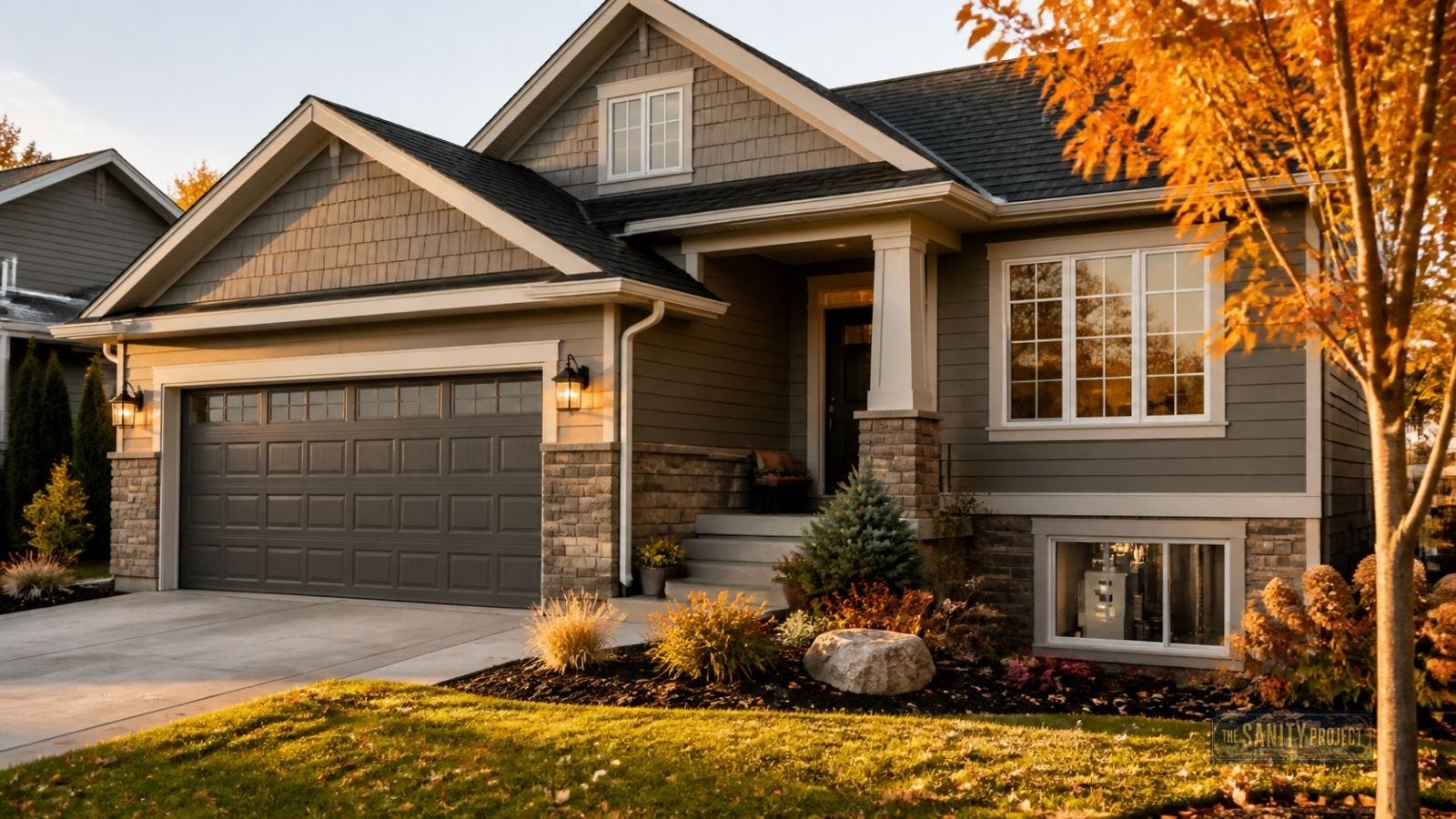
Water Heaters: The One Where Nobody Pays a Premium
Giant is the only water heater manufacturer still operating in Canada, and its products cost about the same as Rheem or Bradford White. This is the cleanest swap on the list.
If you’ve ever bought a tank water heater in Canada, there’s a real chance it came off a line in Montreal, whether you knew it or not. Giant Factories has been making water heaters there since 1945, and it remains, by its own account and by every independent source I could find, the only water heater manufacturer still operating inside Canada. Everyone else in the aisle — Rheem, Bradford White, and A.O. Smith — builds elsewhere and ships in.

Here’s the part that complicates the tidy version of this story: Giant itself was bought by A.O. Smith, an American company, back in 2021. The factory is still in Montreal; the jobs are still there, but the ownership is no longer Canadian. Keep that distinction in mind, because ownership versus manufacturing comes up again before this list is finished.
On price, there’s no penalty for buying Giant. Base 40-gallon tanks run roughly $300 to $770 CAD, depending on the retailer and model, which aligns with Rheem’s $450 to $550 range, and installed costs land in the same $800 to $1,500 ballpark either way.
On quality, Independent professional reviewers put Giant around 4 out of 5, and homeowner forums describe it the way homeowners describe any water heater brand: mostly fine, occasionally cursed, and warranty depends on who you get on the phone.
The honest case for staying with Rheem is availability. It’s everywhere; every plumber has installed a hundred of them, and parts are never a scavenger hunt. But if the criterion is whether the Canadian option performs, the answer here is yes, without an asterisk.
Enjoying the receipts so far?
Subscribe to The Sanity Project for more fact-checks that cut through the noise.

Furnaces: Canadian Furnace Brands That Don’t Cost More to Own
Napoleon furnaces, built in Barrie, Ontario, are priced the same as Lennox and are cheaper than Trane’s premium tier, with warranty coverage to match.
Napoleon started in 1976 as a small steel fabrication shop in Barrie, Ontario, before it ever made a fireplace, let alone a furnace. It’s still family-owned by the Schroeter family, and its HVAC line is manufactured out of that same Barrie facility. Among Canadian furnace brands, it’s the one with the most direct manufacturing story: not assembled from imported parts, but built there.
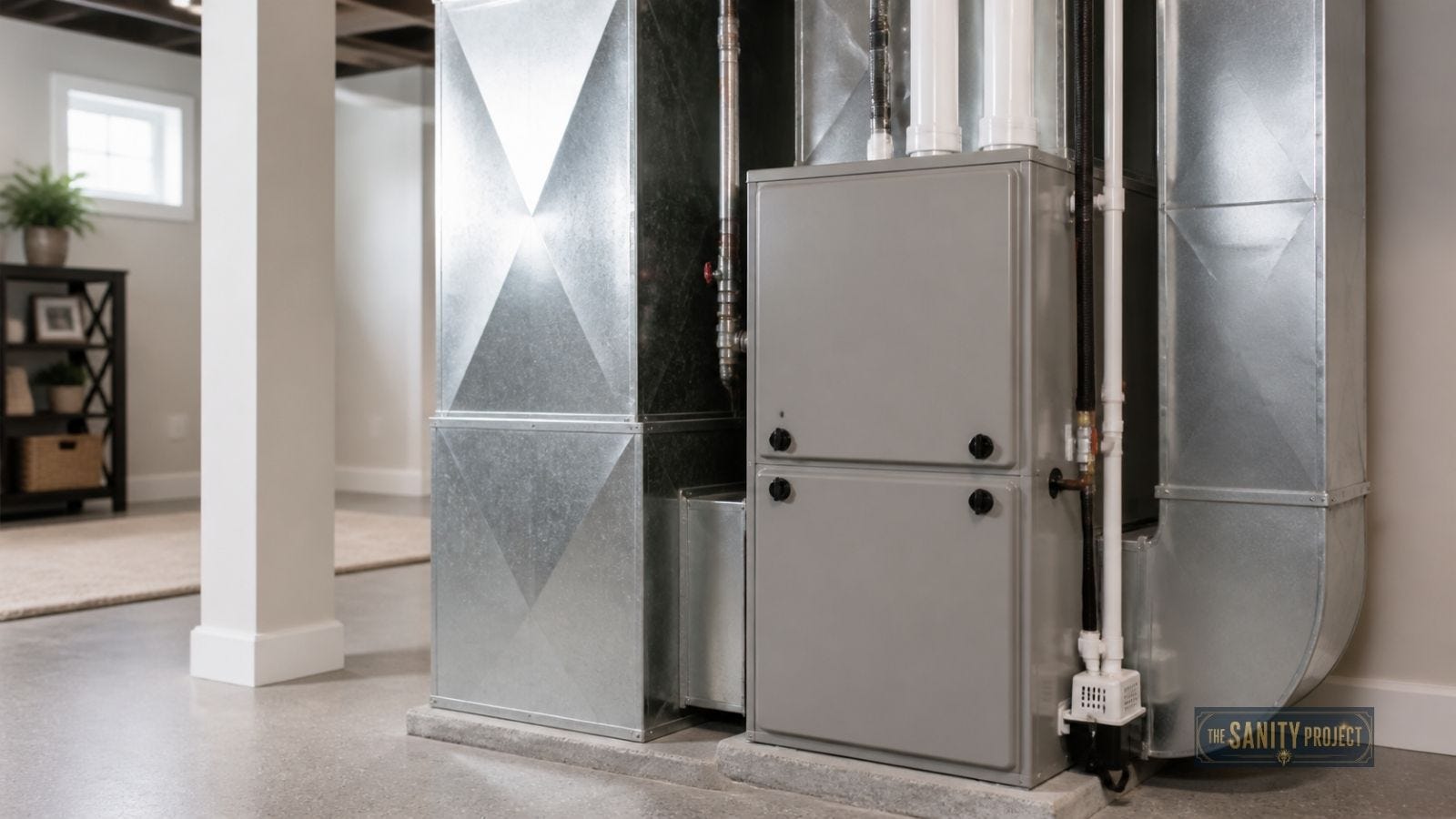
The numbers back up the reputation. A Napoleon furnace installation costs $4,500 to $8,000 CAD, which sits right alongside Lennox’s $4,500 to $8,000 range and comes in well under Trane’s premium tier, which can exceed $9,500. Owner satisfaction skews strongly positive across review platforms, and one HVAC reviewer put it plainly: build quality “rivals Carrier and Lennox.” Warranty coverage includes a lifetime heat exchanger guarantee with registration for the top models, matching what premium American brands offer.
“Build quality rivals Carrier and Lennox.” That’s not Napoleon’s marketing copy. That’s an independent HVAC reviewer with no reason to be kind about it.
There are two honest caveats, and I’d rather hand them to you than have your installer find them for you. Napoleon’s current lineup tops out at two-stage burners, so if you specifically want the ultra-premium modulating-burner tier that Carrier’s Infinity or Lennox’s SLP99V offers, you’ll need to look elsewhere. And the dealer network is thinner once you’re outside Ontario, which matters more in Western Canada or the Maritimes. Confirm local parts and service before you commit, the way you would for any brand with a smaller footprint.
Hardwood Flooring: Mirage, Lauzon, and the Case for Paying More
Mirage and Lauzon hardwood run 30 to 50 percent more than Bruce or Armstrong. Installers who work with both, not just the Canadian ones, consistently say the difference is real.
This is the renovation people do more than once, unlike the garage door, which you might replace only once in thirty years if you’re unlucky. Mirage hardwood flooring, made by Boa-Franc in Saint-Georges, Quebec, since 1983, and Lauzon, a family-owned mill in Papineauville that harvests its own timber from more than two million acres of Quebec forest, are the two names that come up constantly when installers talk about premium Canadian hardwood. Both remain genuinely family-owned, not just family-founded and later sold off, which puts them in a different category than a couple of the other categories on this list.
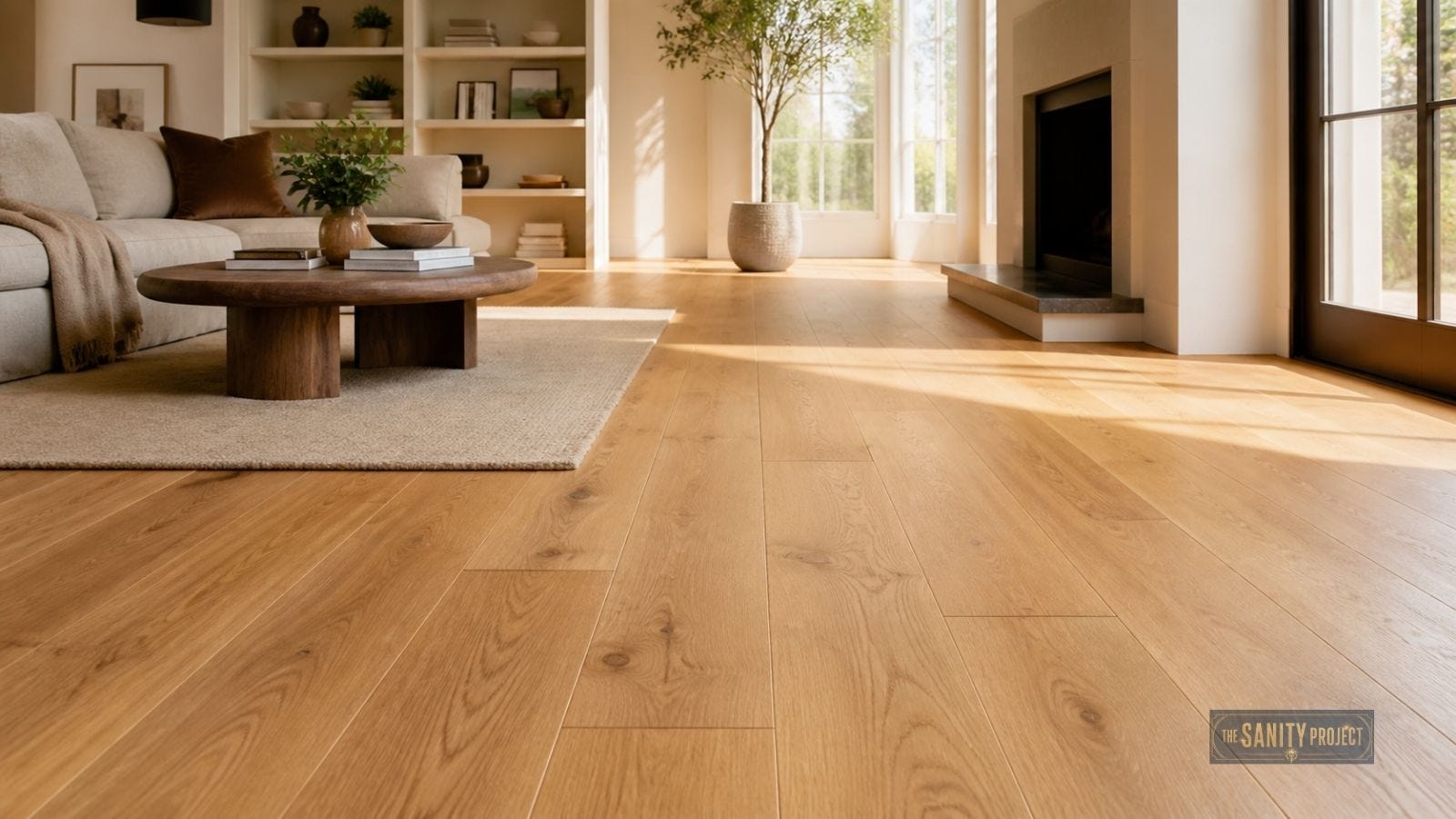
Here’s the part I have to be straight with you about: this is the biggest price gap in the whole series. Mirage engineered hardwood runs roughly $8 to $12 per square foot for material alone, and Lauzon starts around $6.50, against Bruce or Armstrong’s $4 to $7 range. Armstrong, worth noting, owns Bruce, Hartco, and Robbins, so many of the “different” American options on a big-box shelf are from the same manufacturer under different names.
One installer who’s laid thousands of square feet of both put it simply: the big American brands “produce basically the same stuff,” while the Canadian mills spend more time on milling so the boards sit tight.
The quality difference isn’t just brand loyalty talking. Multiple flooring professionals, not just Mirage’s own marketing, describe noticeably tighter milling and fewer rejected boards on the Canadian product compared to the “big three” American lines.
Mirage floors can also be refinished multiple times over a lifespan of 50 years or more with proper care. This supports treating them as a cost-per-decade purchase rather than a cost-per-square-foot one. It won’t fully close a 30- to 50-per cent gap on paper, but it changes the math over the life of the floor.
The honest case against paying it: if you’re flooring a rental property or flipping a house in eighteen months, that long-term math doesn’t apply to you, and Bruce or Armstrong will do the job fine. This is a category where the premium is real, and the decision genuinely depends on how long you’re staying.
Want the next fact-check delivered directly?
Subscribe now; it’s free.
Listen to the Sanity Project Podcast

Roof Shingles: IKO vs GAF, and the Part Nobody Mentions
IKO shingles run 10 to 20 percent cheaper than GAF or Owens Corning at comparable specs, and the company has been family-owned since 1951. There’s also a settlement history worth knowing about.
Comparing IKO vs. GAF shingles turned out to be the most interesting category on this list, because it’s the one where buying Canadian is also the cheaper option. IKO’s Cambridge line runs $4.25 to $6.75 per square foot installed, undercutting GAF’s Timberline HDZ at $5.00 to $7.50 and Owens Corning’s Duration at $5.25 to $8.00, while matching them on wind rating and warranty terms.
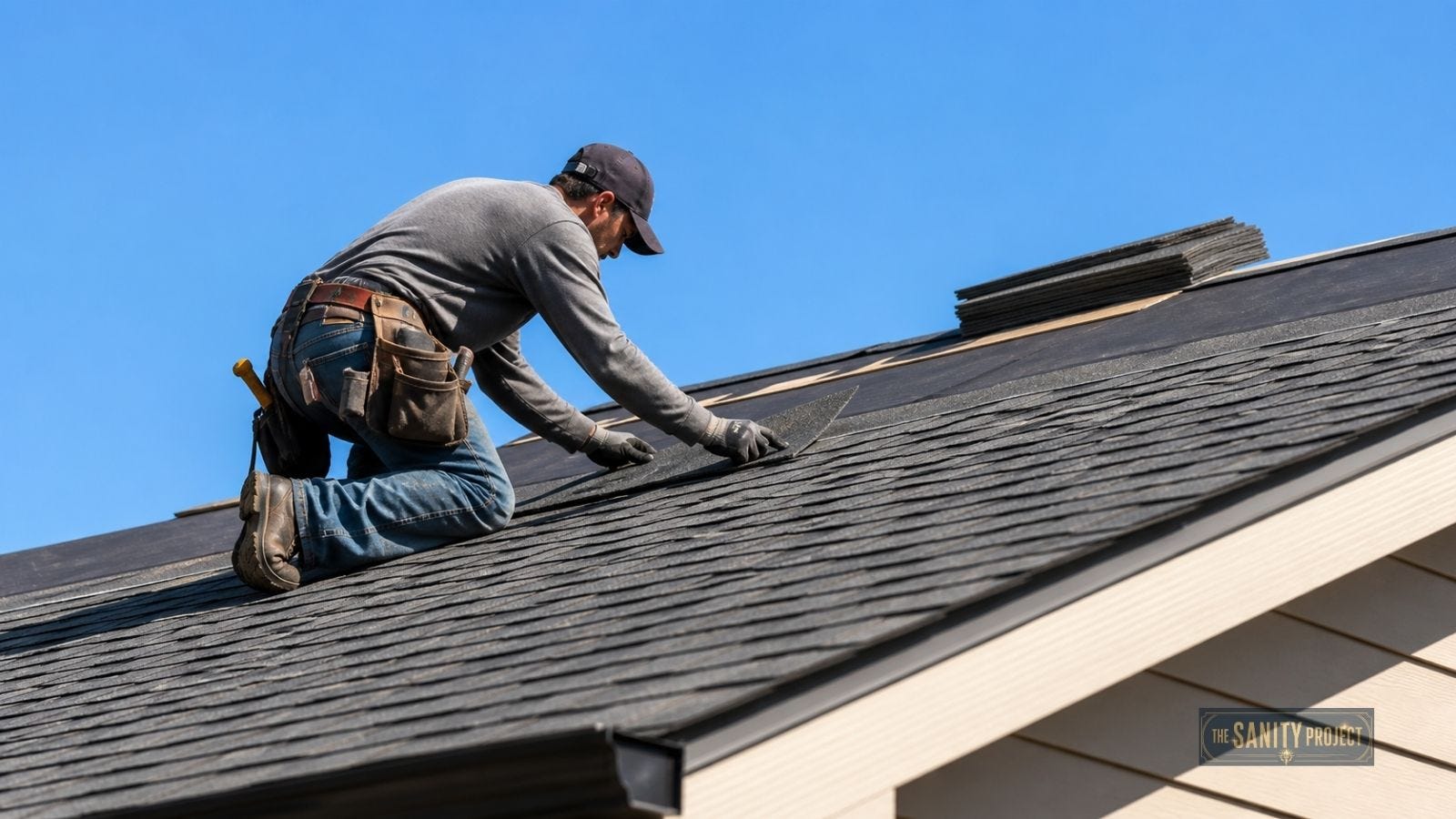
On a typical 2,000-square-foot roof, that’s $1,500 to $2,500 back in your pocket. IKO was founded in Calgary in 1951 and is still run by the Koschitzky family, making it one of the few companies on this list that are Canadian-owned and Canadian-built.
Now, the part I’m not going to bury in a footnote. IKO settled a class action in the United States for $30 million in 2018 and a separate Canadian class action for $7.5 million, with final payouts completed as recently as March 2025. Both shingles in question allegedly failed earlier than advertised.
Here’s the context that changes how much you should worry: the lawsuits covered IKO’s older “organic” felt-base shingles—a technology that hasn’t been manufactured since 2008 or sold since 2010—and IKO denied liability throughout.
It’s also not an IKO-specific problem. Canroof, another Canadian manufacturer, was named a co-defendant in the same Canadian case over the same discontinued technology. This was an industry-wide issue with an older product category, not a scandal unique to one company. IKO’s current fibreglass shingles consistently receive positive reviews from professional roofers, with one Quebec roofing company naming Cambridge as the brand they install most often.
The steelman for GAF here is real: a larger dealer network, an unlimited wind-speed warranty when installed with their full accessory system, and a brand name that resells more easily if you’re listing the house. But if the question is which roof gets you comparable protection for less money from a company that still answers to a Canadian family, the math points north.
That’s the whole list, checked one label at a time. Please share it with someone who is planning to renovate their home!

Editor’s View
I spent twenty years selling houses in Winnipeg before I started fact-checking for a living, and if there’s one thing that career taught me, it’s that homeowners are constantly sold on brand names and almost never on where something is made. Nobody ever asked me where their furnace was built. They asked if it was quiet and if it would last.
What surprised me when putting this list together wasn’t that Canadian alternatives exist. Three of the four cost the same as or less than the American default, and the one that costs more is the one where the extra money is doing something specific and defensible. I expected to find a patriotism tax somewhere in here. I mostly didn’t. I found that “Canadian-made” and “Canadian-owned” are used interchangeably when they shouldn’t be, and I’ll check that distinction every time it comes up from here on.
None of this requires you to feel a certain way about tariffs to be useful information. It just means you'll need to replace a water heater at some point—and, statistically, you will.
Discussion question: If the Canadian option costs the same or less in most categories, what’s actually stopping wider adoption: awareness, habit, or something else?
Follow for more fact checks that cut through the noise.
Publications Consulted: Giant Factories Inc. / Usines Giant; Well Made Here / Bien fait ici; A.O. Smith Corporation investor communications; Napoleon (Wolf Steel Ltd.); FurnacePrices.ca; HPAC Magazine; Boa-Franc / Mirage Floors; Lauzon Hardwood; Floor Covering News; Wood Floor Business; IKO Industries Ltd.; Canroof Corporation; Top Class Actions; Siskinds LLP; HomeStars; RedFlagDeals Forums; Canadian Woodworking Forum; American Roofing Guide.
My water heater is nearing the end of its mortal run. Giant it is. This article is timely and was helpful to me.Thank you.
I was transferred to Calgary from Montreal after 1995 referendum. I had hardwood flooring in my home in Montreal. When I relocated to Calgary I had to get rid of the carpeting and lino here. I always loved Mirage which is a wonderful hardwood flooring manufacturer in Quebec. My home is now all Mirage flooring. Thank you for this great post.