


AI Data Centres in Alberta Get First Call on the Power Grid, You Get the Bill
Nevada’s Lake Tahoe just showed the world what happens when a utility picks AI compute over the people it already serves. Alberta made the identical bet, got Ottawa to help, and its own regulator already told you what it costs.
Key Takeaways
NV Energy is ending a decades-old wholesale power deal with Lake Tahoe’s utility to free up capacity for Nevada’s data centre boom, not shutting off 49,000 homes as the viral version claimed.
Quebec responded to the same demand by proposing to nearly double what large data centres pay for electricity, shielding other ratepayers from the cost.
Alberta responded with a federal memorandum of understanding that suspends its clean electricity obligations and hands almost all of its capped data centre capacity to two gas-fired projects.
Alberta’s own electricity market regulator has acknowledged that arrangement will raise bills, the same week the premier claimed the opposite.
There’s a version of the Lake Tahoe story that went viral this spring. A Nevada utility, cutting off electricity to 49,000 homes, so it can feed a data centre instead. Clean villain, clean victim, built for sharing. It’s also not quite what happened, and the correction matters, because the real version of this story is unfolding right now in Alberta’s AI data centres fight.
NV Energy did tell Liberty Utilities, the smaller company serving the California side of the lake, that it won’t renew their wholesale supply contract past 2027, because data centre demand is eating the surplus. That part holds up. What doesn’t is anyone’s lights going dark. Snopes checked the claim in June and rated it a mixture of true, false, and undetermined, since Liberty has no plan to stop serving customers and NV Energy already extended the deal into next year while a replacement gets arranged.
Canada doesn’t get to watch this one from a safe distance and feel superior. We’re running the identical experiment, and two provinces have placed opposite bets on how it ends. Quebec decided data centres should pay their own way onto the grid. Alberta decided they should get first call on it, with Ottawa’s signature making that easier, and its own regulator has already told us what that costs.
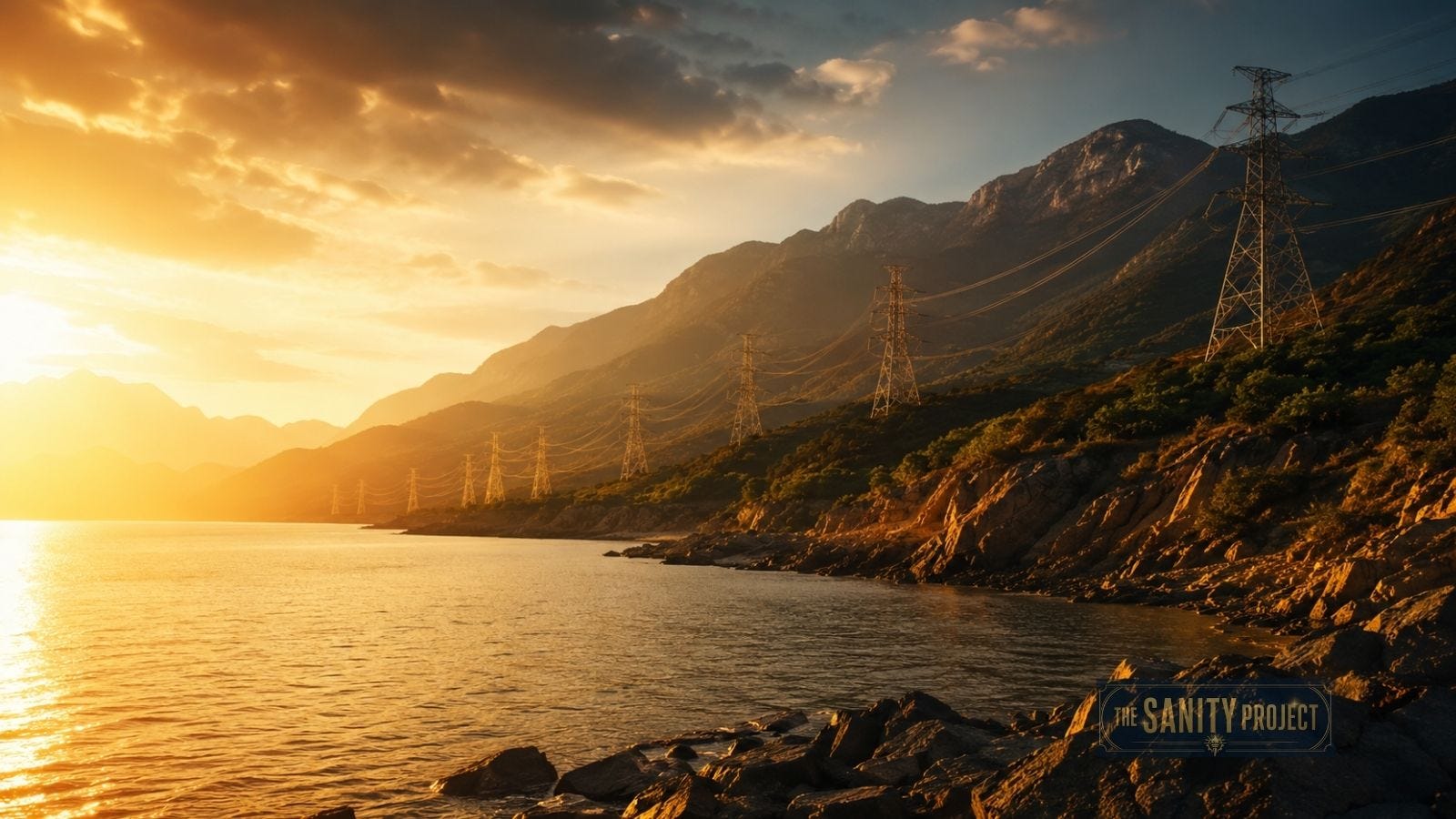
Same fight, different postcard. Whatever’s happening to the Canada power grid right now, this lake saw it coming first.
Enjoying the receipts so far? Subscribe to The Sanity Project and get the next one before it hits your feed.
What Actually Happened at Lake Tahoe, Since the Viral Version Got It Wrong
NV Energy isn’t shutting off Lake Tahoe. It’s ending a legacy wholesale contract to redirect capacity toward Nevada’s data centre boom, and Liberty Utilities has until the end of 2027 to find a replacement supplier.
Here’s the boring version that happens to be true. Liberty gets about 75 percent of its power from NV Energy under an arrangement never meant to be permanent, extended in 2015, 2020, and again late last year. NV Energy calls ending it “a planned transition for many years, not a reaction to recent developments,” which is corporate for we’ve been telling you this was coming.
The real driver is scale. Northern Nevada is one of the fastest-growing data centre corridors in the country, with Google, Apple, and Microsoft all building or planning facilities nearby. Over 60 data centres already operate in the state, a dozen more are requesting six gigawatts of new capacity, and wholesale electricity prices in the region have more than doubled at peak periods since early this year. NV Energy isn’t cutting anyone off. It’s choosing where its growing pile of electrons goes first, and homes on the California side of a lake aren’t at the front of that line anymore.
NV Energy isn’t cutting off Lake Tahoe. It’s choosing who gets served first, and it isn’t the customers who’ve been there the longest.
Liberty’s president Eric Schwarzrock told the South Lake Tahoe City Council last month that this does not mean the power is shutting off, and he’s right. The company has until the end of 2027 to line up a replacement supplier. Nobody’s basement goes dark next winter. A grid operator with finite capacity chose who gets served first, and it wasn’t the people served the longest.
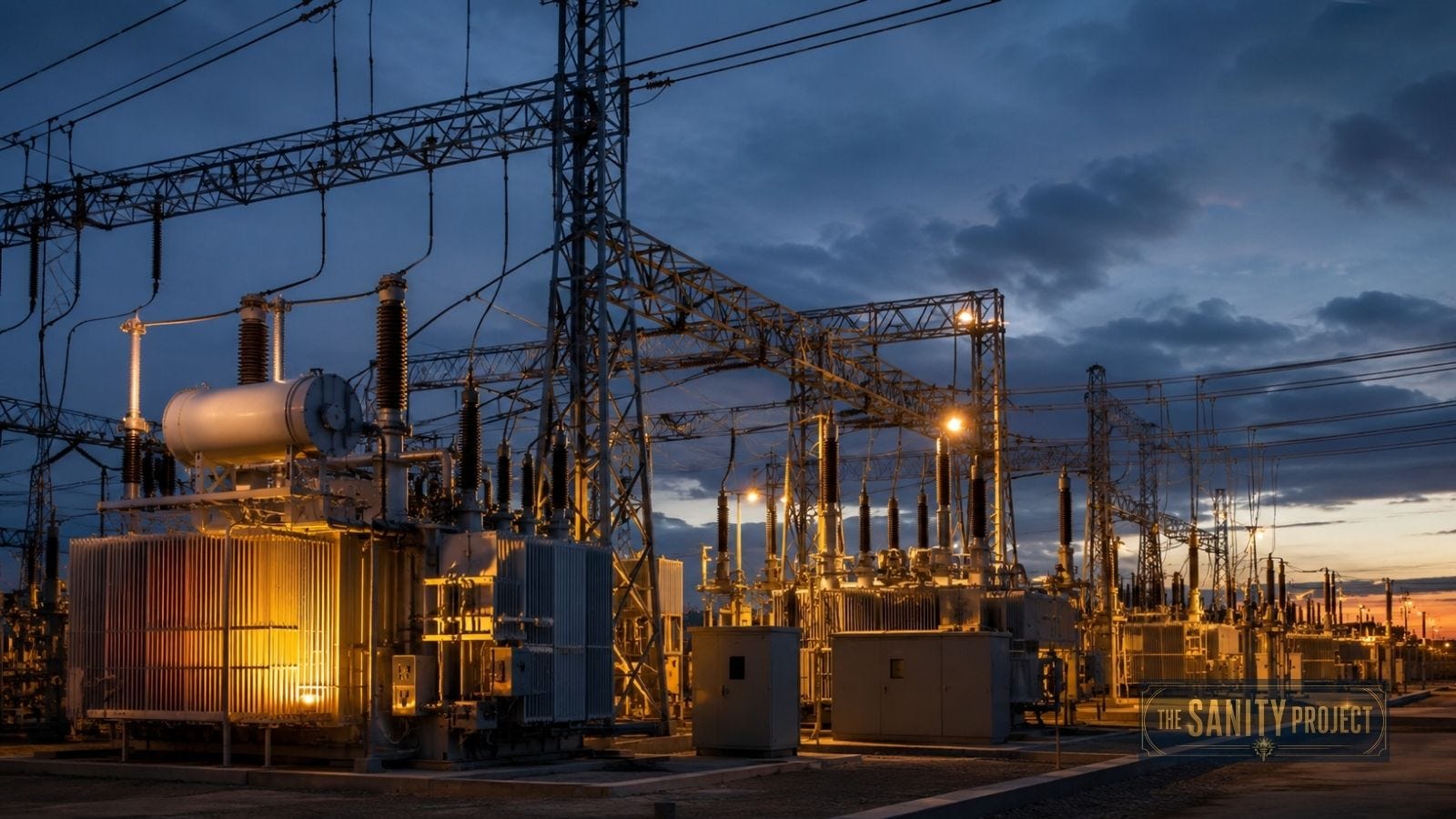
Quebec Sent Data Centres a Bill Instead of an Invitation
Hydro-Québec wants large data centres to pay roughly double the standard industrial rate, about 13 cents a kilowatt hour, specifically so residential and small business customers don’t end up subsidizing the AI boom.
Quebec watched this kind of pressure build and did something almost quaint: it sent the AI industry an invoice. Hydro-Québec has asked its energy regulator to nearly double the Hydro-Québec rates charged to large data centres, up to roughly 13 cents a kilowatt hour, phased in over five years for anything using more than 5 megawatts. Blockchain and crypto operations get hit harder still, up to 19.5 cents, because, in the utility’s own words, that activity offers limited economic benefit relative to how much power it burns.
The logic isn’t subtle. Hydro-Québec expects data centre demand to grow sevenfold by 2035, past 1,000 megawatts, and wants that growth to pay its own way instead of quietly landing on everyone else’s bill. It’s not a perfect fix, data centre operators are already lining up to challenge the tariff, with a hearing set for the fall. But the instinct underneath it, that a public utility protects its existing ratepayers first and prices the leftover capacity at what it’s actually worth, is the instinct Alberta’s version of this story is missing entirely.
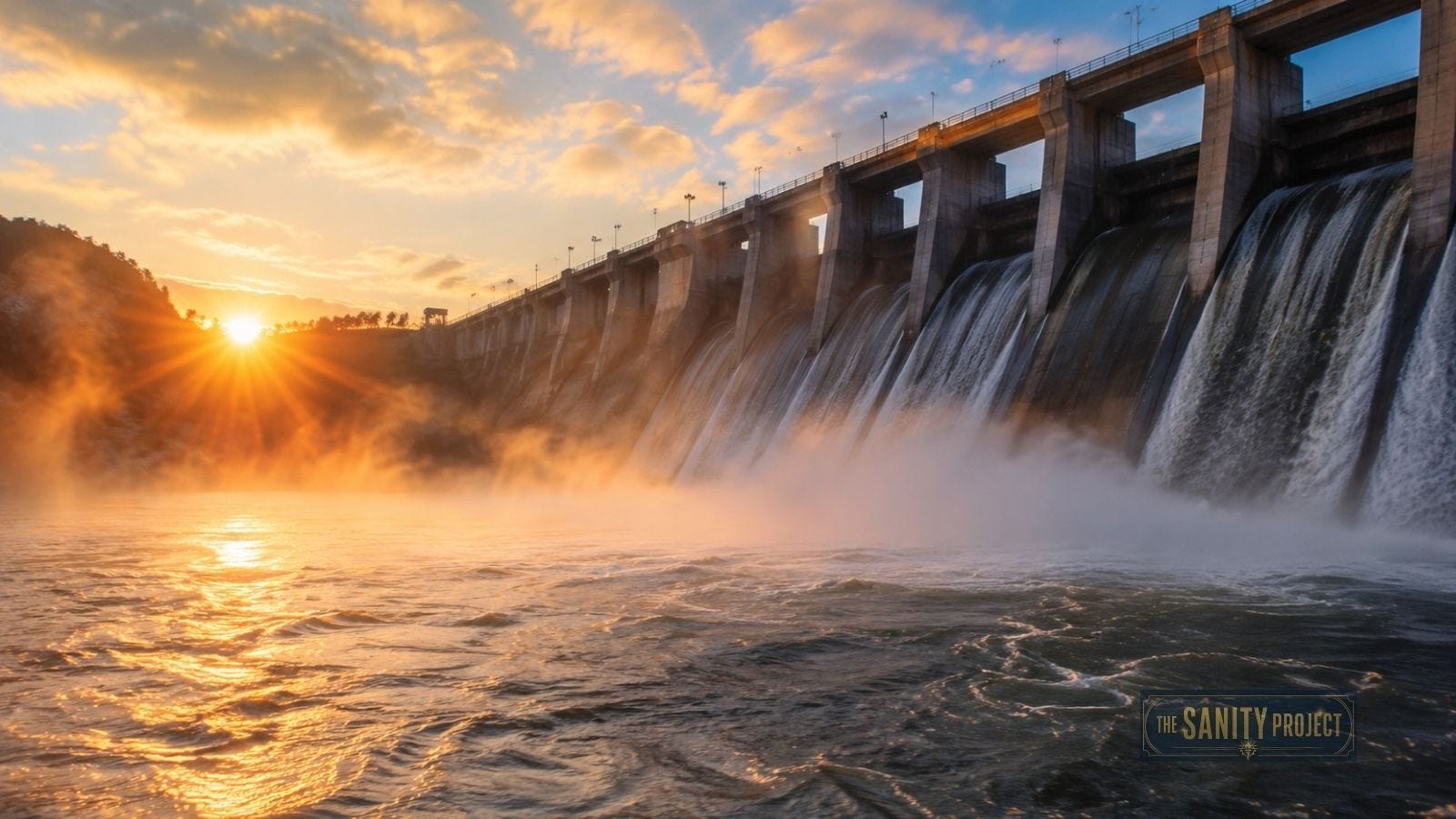
Quebec didn’t build all this water power to hand it over for free. The hydro Quebec rates data centres now face say-so in writing.
Alberta’s AI Data Centres Got Ottawa’s Signature
Alberta’s memorandum of understanding with the federal government suspends the province’s clean electricity obligations and hands almost all of its capped 1,200-megawatt data centre allowance to two gas-fired projects, one of them built specifically for Meta.
Alberta took the opposite bet, and didn’t take it alone. On November 27, 2025, Prime Minister Mark Carney and Premier Danielle Smith signed a memorandum of understanding that exempts Alberta from the federal Clean Electricity Regulations, conditional on a new carbon pricing deal between the two governments. The same document commits both levels of government to expanding electricity capacity specifically for AI and data centres, tied explicitly to Canada’s sovereign AI compute strategy.
The province’s grid operator capped new large-load connections at 1,200 megawatts through 2028, to keep the system from buckling. Almost the entire cap is spoken for. The Greenlight Electricity Centre, a gas-fired project from Pembina Pipeline, Morgan Stanley, and Kineticor, got 970 megawatts to power Meta’s newly confirmed one-gigawatt data centre in Sturgeon County. TransAlta’s Keephills gas plant picked up the remaining 230 for a data centre of its own. Thirty-seven other proposals wait in line, most years from a connection that may never come.
None of this happened by accident. Records reviewed by DeSmog show Capital Power, an Alberta energy company building its own gas-fired AI data centre, lobbied Ottawa dozens of times in 2025 specifically to eliminate the clean electricity regulations that ended up suspended in the MOU. Not a conspiracy theory, just the company’s own disclosed lobbying activity, doing exactly what lobbying is designed to do.
Quebec sent the AI industry an invoice. Alberta sent an invitation,
and let Ottawa help write it.
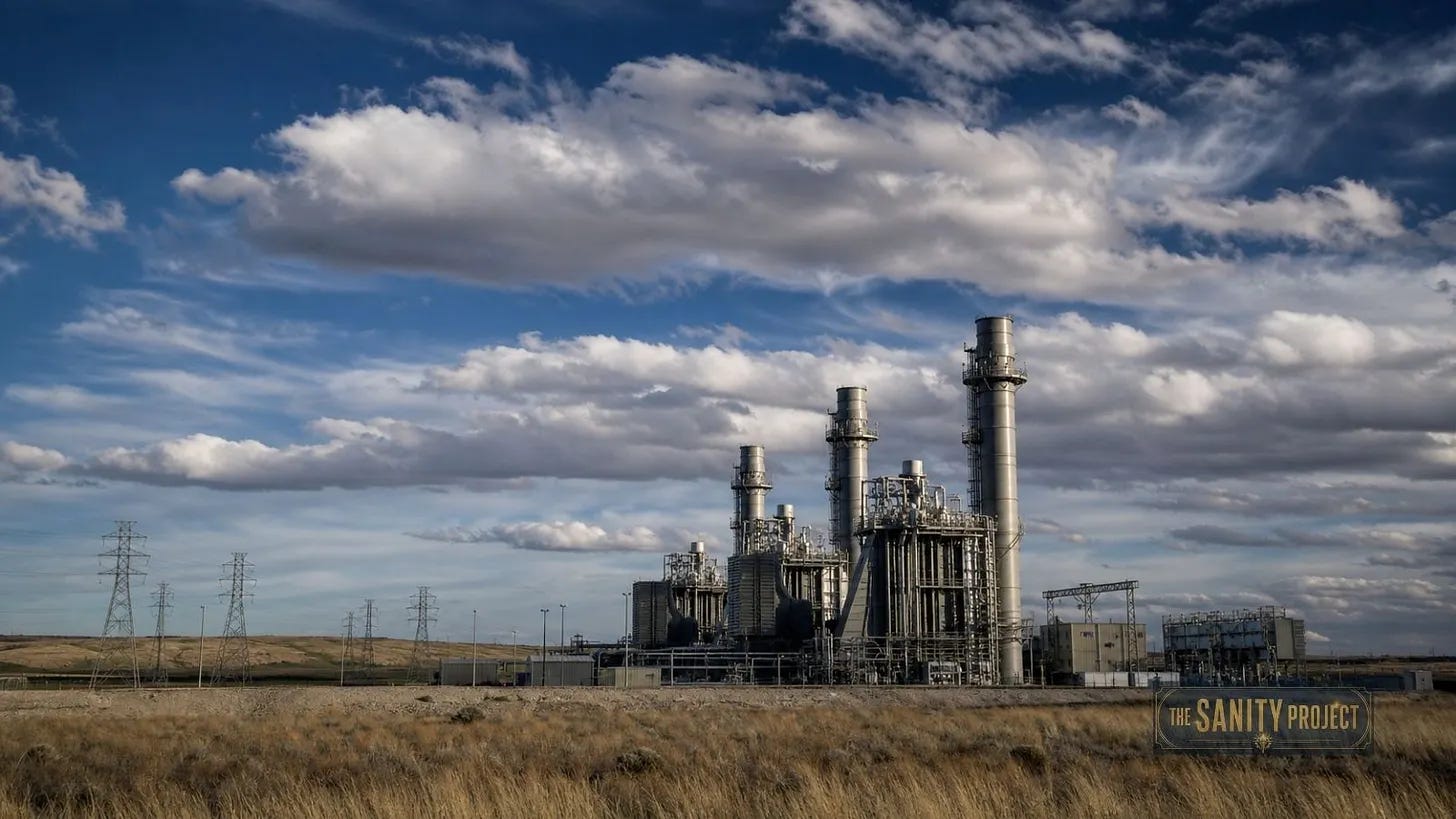
AI data centres Alberta signed off on don’t run on sunshine and good intentions. They run on gas plants like this one, humming behind the wheat
Who Actually Pays When the Grid Picks a Side
Alberta’s own market regulator has acknowledged the arrangement powering these data centre projects will raise electricity bills, the same week the premier said ratepayers would see a decrease.
Premier Smith said Albertans would see up to a six percent decrease in electricity transmission costs because of the Greenlight project. That’s a specific number, stated in a news release, worth checking against the fact that every megawatt Greenlight generates is contractually spoken for by Meta. The province’s own market regulator has separately acknowledged, reported by The Energy Mix, that the temporary arrangement powering these projects will raise bills for everyone else on the grid, not lower them. Both statements are public, made around the same time, and they cannot both describe the same market.
The Pembina Institute, an environmental think tank unrelated to the pipeline company of the same name, put it more bluntly: Alberta is locking itself into new natural gas demand at the exact moment cheaper alternatives exist for this kind of load. Policy director David Pickup said it doesn’t have to be this way, and that other jurisdictions are choosing renewables first for exactly this kind of demand. Anyone comparing electricity rates Alberta charges households against what the province just handed a Meta-backed gas plant might start to see his point.
Here’s the throughline connecting a lake in Nevada to a substation outside Edmonton: somebody with more market power than you decides what the grid prioritizes, and you find out what that costs after it’s already decided. Nevada residents at least got a fact check out of the deal. Alberta ratepayers got a memorandum of understanding and a press release promising the opposite of what the regulator is telling anyone willing to read past the headline.
A premier’s press release promised falling bills. The regulator’s own filing said the opposite. Only one of them controls what Albertans actually pay.
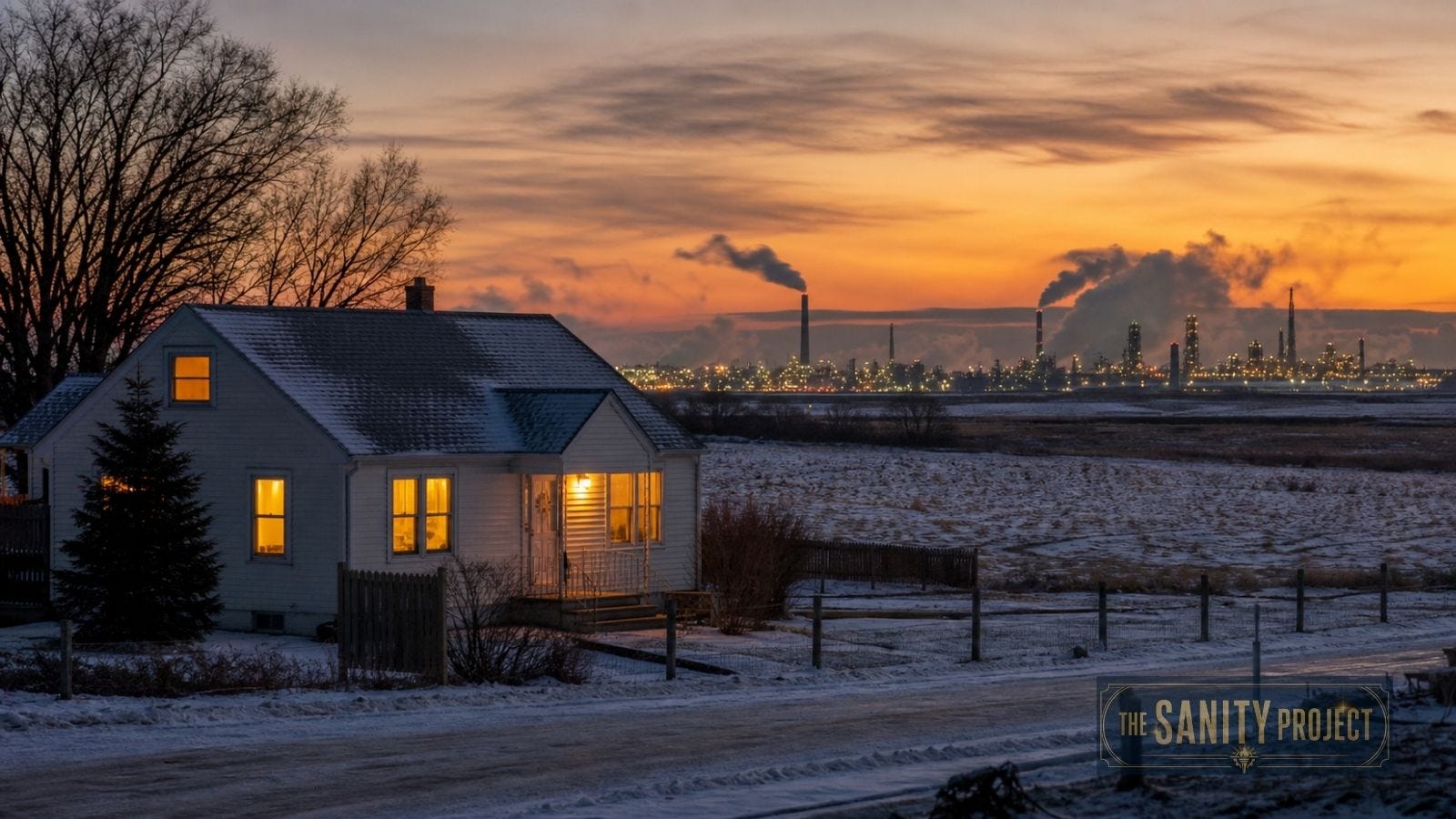
Nobody signed a memorandum of understanding on behalf of this house. It just gets to find out what AI data centres Alberta approved cost, one bill at a time.
One more ask: if this piece helped you see the Tahoe story differently, subscribe and forward it to one person who shared the viral version.
Editor’s View
I don’t think AI data centres are some unstoppable villain, and I don’t think Alberta’s government sat down one day and decided to screw ratepayers for fun. What happened is more ordinary, and more worth worrying about. A well-funded industry showed up with an urgent ask, a province with stranded gas capacity said yes fast, and a federal government trying to look serious about AI signed off on suspending its own climate rules to make that yes easier. Nobody voted on any of it. Quebec’s version isn’t perfect either, but at least somebody there asked the industry to pay for what it’s taking. My honest prediction is that Alberta’s regulator quietly walks back its own bill warning next year, right around when the bills arrive. I’d love to be wrong about that. I generally am not.
Corrections and Updates Protocol: The Sanity Project corrects errors transparently and promptly. Verified corrections will appear here with the convention “Update (Month Year):” followed by the change. No corrections have been logged for this piece as of publication.