


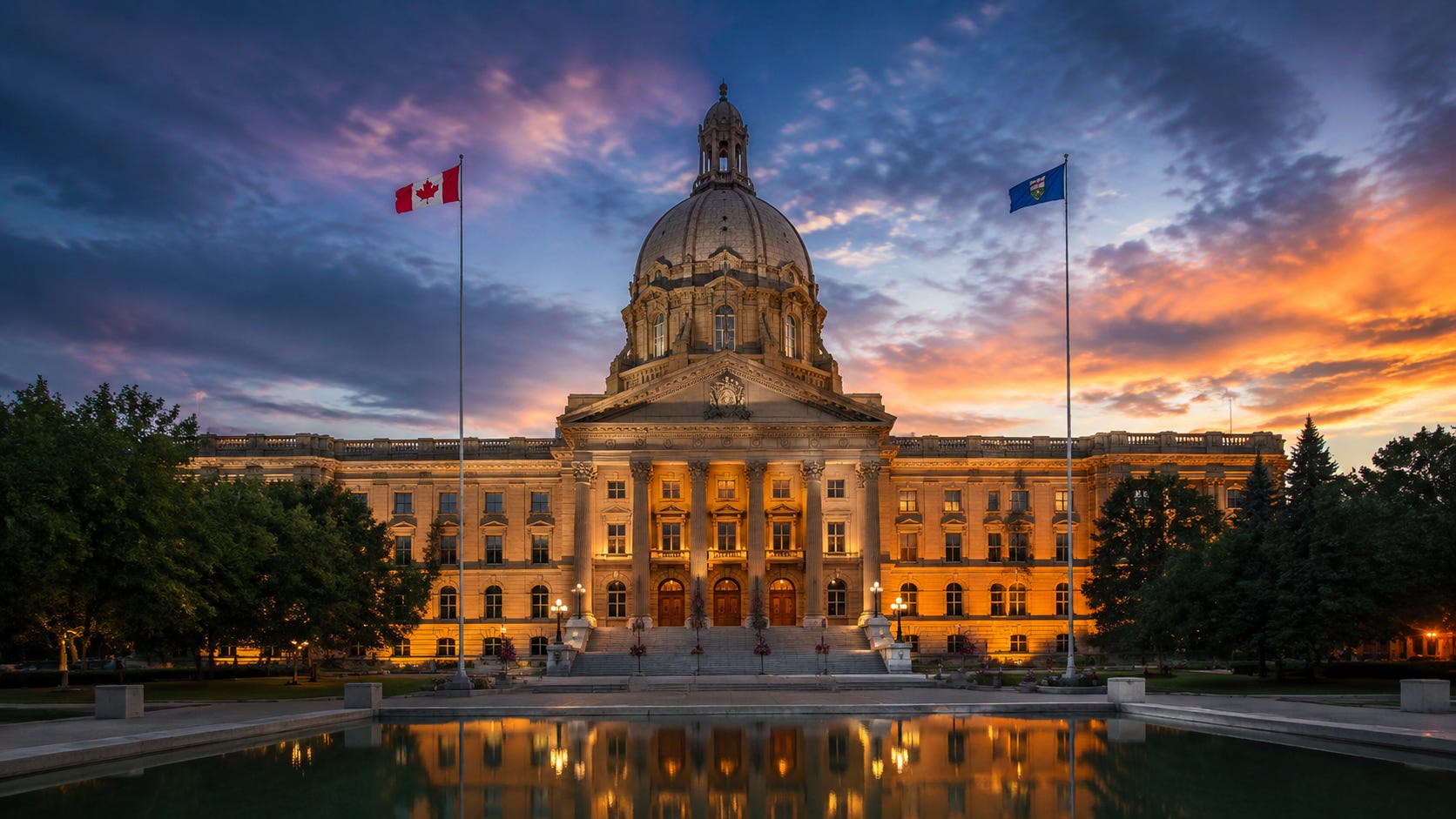
The Alberta Referendum Is 114 Days Away, and Most Canadians Still Don't Understand What's Actually on the Ballot
On October 19, Albertans will walk into polling stations and answer a 37-word question that most Canadians couldn’t recite if you asked them. That’s a problem. Because what happens in Alberta this fall will shape Canadian federalism for a generation, and the rest of the country has barely been paying attention.
The question Premier Danielle Smith put on the ballot asks whether Alberta should remain a province of Canada, or whether the provincial government should begin the legal process required to hold a binding referendum on separation. This is not a separation vote. Smith herself has said she’ll vote to stay in Canada. What it is, according to every analyst who has looked at it closely, is a political manoeuvre designed to give the UCP base a pressure valve without actually pulling the trigger on independence.
The polling tells the story clearly. Angus Reid found that 60% of Albertans would vote No on the October question, and 67% said they want Alberta to remain in Canada when asked in a simpler hypothetical. Only 19% support a binding independence referendum. Fifty-six percent say Smith has handled the issue poorly, including nearly one-third of her own UCP voters. This is not a province on the edge of leaving. This is a premier managing a noisy minority of her base at considerable cost to her credibility.
What gets underreported is what the courts and Indigenous leaders have already said about this. Two Court of King’s Bench judges ruled that separation would violate treaty rights with Indigenous peoples. The Assembly of Treaty Chiefs unanimously asked the RCMP to investigate whether the referendum process itself constitutes criminal treason, arguing that organizing a vote toward separation is an intentional treaty violation. A court struck down the original separatist petition on exactly these grounds. Smith then rewrote the question to get around the ruling, something she did without meaningful consultation with First Nations.
And there is a foreign interference dimension that deserves far more scrutiny than it has received. A joint report by the Global Centre for Democratic Resilience and DisinfoWatch identified Russian-aligned information infrastructure actively using Alberta grievances to promote separatist narratives and undermine Canadian sovereignty. Earlier this year, US Treasury Secretary Scott Bessent called Albertans “a very independent people” and described Alberta as a natural American partner. These were not offhand comments.
Prime Minister Carney called Smith’s question a “dangerous bluff.” He is right, but the bluff still has a date on it. October 19 is coming, whether the rest of Canada watches or not. The rational position is to watch closely, speak clearly, and ensure Albertans who want to stay in Canada know the country wants them here.
Plenty of people are talking about it. In real life. Talked to a 100 people out in the pouring rain today. Talked to thousands while petitioning for WNC. We're talking in the cafés. We're talking on the doorsteps.We are talking at all the events. Where have you been?
I also suggest everyone read Bill Whitelaw’s 10 part series on all the questions. You’ll find it under Bill’s Substack - it’s free to subscribe. DO IT! Then you’ll understand, and prevent Danielle from spinning the hell out of all of it to say what she wants them to indicate.