


Independent Grocers Never Stood A Chance, And Mark Carney Just Confirmed The Real Reason Why
Prime Minister Mark Carney used a $4.7-billion VIA Rail announcement in Thunder Bay on Thursday to revisit one of the year’s most persistent economic complaints, telling reporters that Canada’s grocery problem runs deeper than the five chains that dominate the checkout aisle.
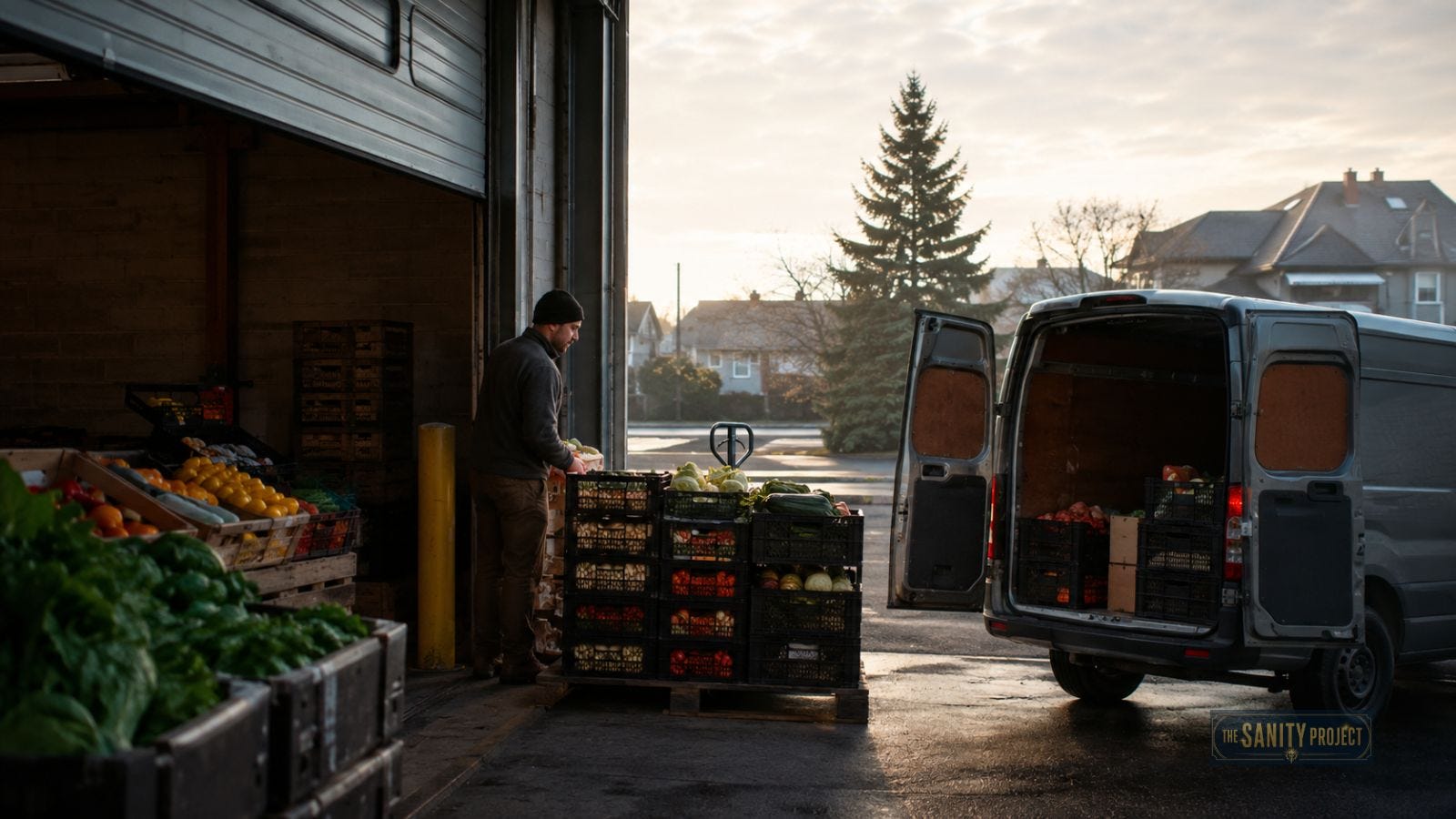
The remark came during questions at an event built around 313 new Alstom passenger rail cars for VIA’s aging long-distance fleet, the largest single investment in the Crown corporation’s history. Asked about grocery concentration, Carney said the issue isn’t only that Loblaws, Sobeys, Metro, Walmart, and Costco control roughly 80 percent of the retail market. It’s that independent grocers buying from wholesalers often have to go through the same concentrated supply system the big chains use, and sometimes own, leaving independents stuck with worse pricing before they open their doors.
“The concentration there means that our ability to offer cheaper prices is very limited,” Carney said, describing what happens when someone tries to open a grocery store and source product outside the major chains’ wholesale arms.
That diagnosis matches what Canada’s Competition Bureau found in its 2023 grocery market study: independents pay more for the same goods, get worse supplier terms, and absorb fees the big chains negotiate away simply because they buy less. It’s a structural problem built into the supply chain, not a failure of management at the independent level.
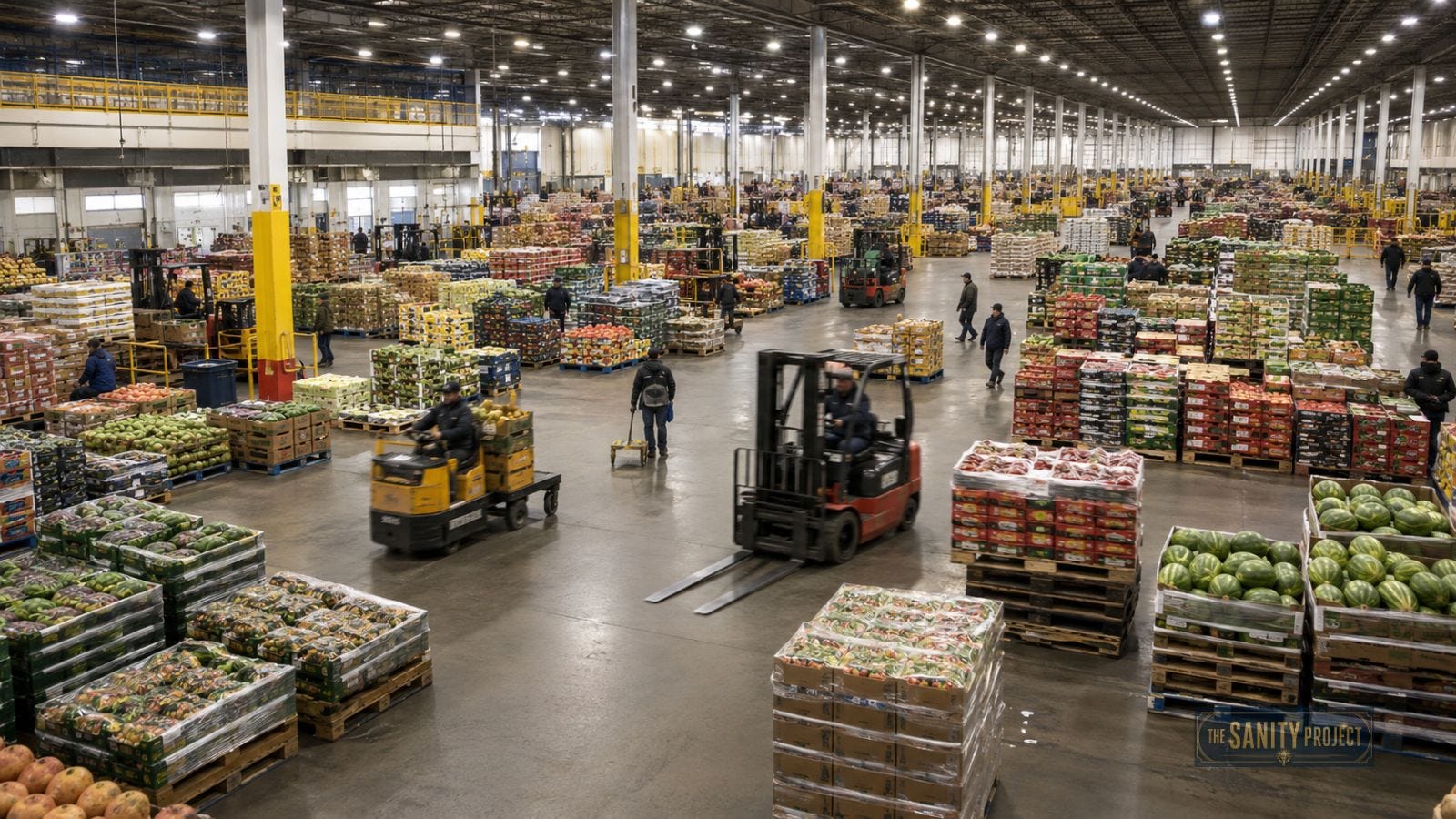
Carney pointed to a fix already in motion. His government’s National Food Security Strategy, tabled in June with $3.2 billion committed over ten years, includes a roughly $1-billion push to expand neutral wholesale marketplaces, food terminals and hubs modeled on the Ontario Food Terminal in Toronto, which already moves close to two billion pounds of produce a year for thousands of registered buyers.
“We’re increasing existing independent wholesalers so that independent grocers have access to them,” Carney said. “We’re building new ones... so that there is more competition all the way through the food chain.”
Carney was careful to separate that plan from a version that circulates online, which claims Ottawa is running its own discount wholesale operation. That isn’t the policy. The federal government isn’t becoming a grocer. It’s funding the marketplace independents need to buy at the volume the big chains already buy at, without a middleman that answers to a competitor.
The timing matters. Carney’s visit came days before Canada’s retaliatory tariffs on American goods take effect, a reminder that food and trade costs are intertwined on both sides of the border. Whether the wholesale fix reaches a corner store in Thunder Bay or Winnipeg still depends on details Ottawa hasn’t publicly settled: where new terminals and hubs go, who runs them, and whether access rules prevent the same large players from controlling the new infrastructure the way they control the old one.
More Food Link Fund announcements are expected in the coming months. That’s the number worth watching, not the ribbon-cutting at a rail plant.
Unlike the Mango Mussolini, I’m certain that Mr. Carney has actually bought groceries in a grocery store during his lifetime.
And .... now we fix the issue of big box stores being the gatekeeper in shopping malls.