


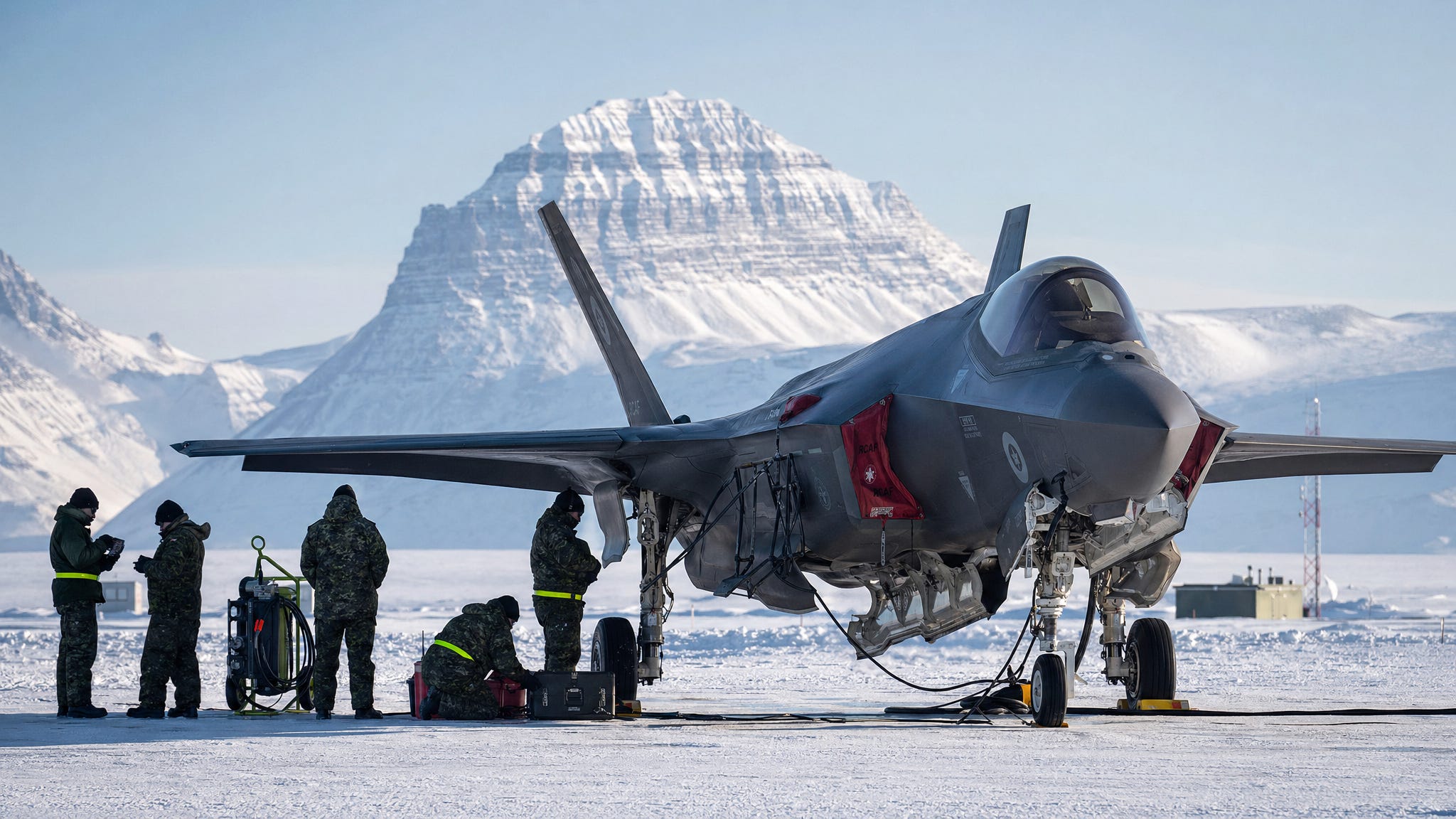
The Cost of Control: Fighter Jets and Canadian Sovereignty
When the headlines focus on Canada’s multi-billion-dollar fighter jet procurement, the story quickly becomes a debate about hardware, cost overruns, and military capability. But beneath the surface lies a far more pivotal question: will Canada’s next-generation air force actually be under Canadian control, or does interoperability with allies come at too high a price for national sovereignty?
The F-35: Power Tied to a Foreign Server
Canada’s recent decision to invest over $30 billion in the F-35 program represents more than just buying new jets. At its core, the F-35 is less a traditional airplane and more a data-driven weapons platform. Its operation and maintenance depend on global supply chains, with software and logistics overseen by the United States and Lockheed Martin.
Critics argue that while such integration might provide seamless coordination with NATO and US-led coalitions, it also hands over significant operational autonomy. Each F-35’s readiness, software upgrades, and even spare part deliveries are ultimately subject to approval from a foreign server—meaning that, during moments of geopolitical tension, Canada’s air defence could be at the mercy of American decision-makers.
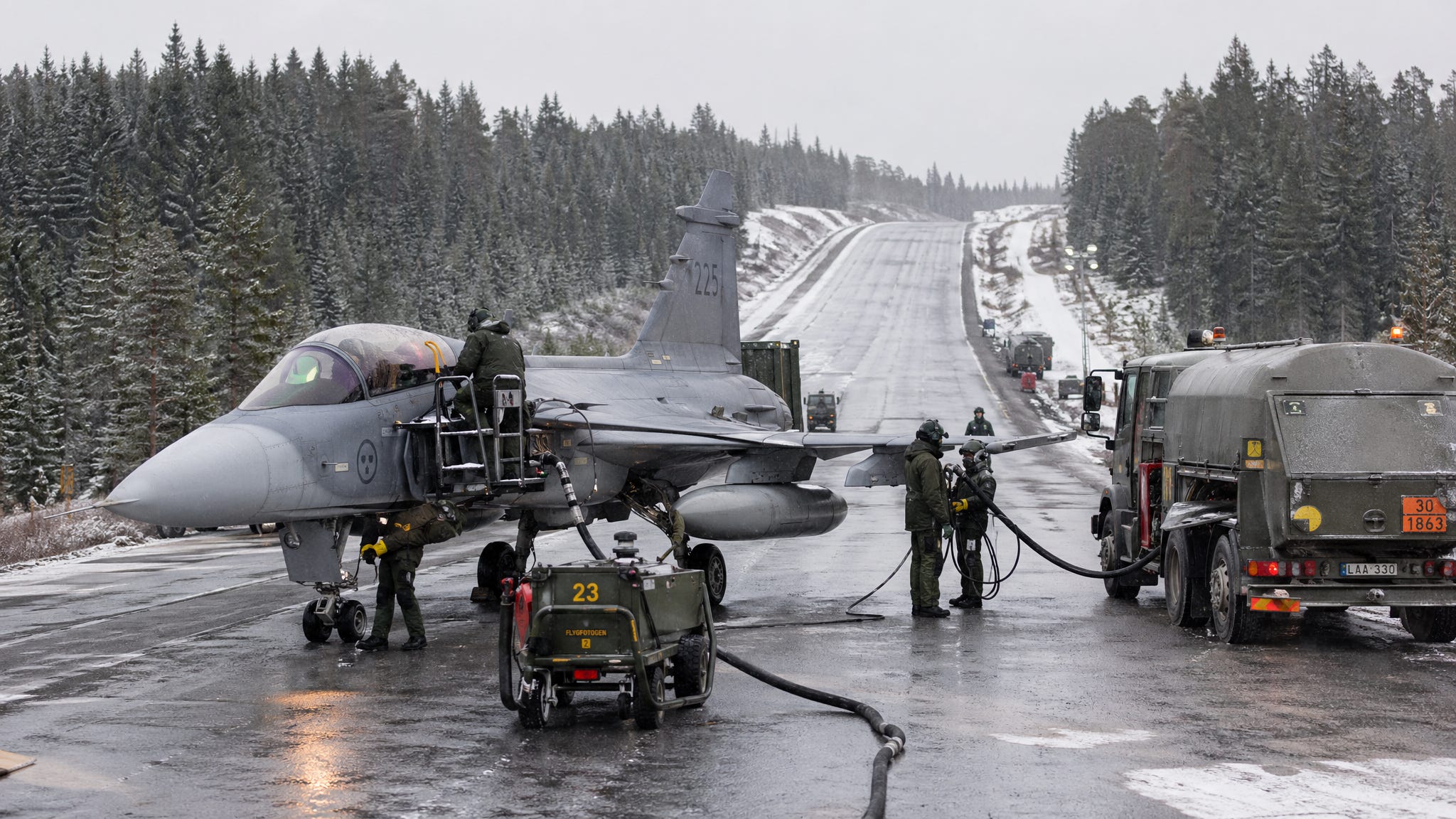
Saab Gripen: Autonomy with a Tradeoff
By contrast, the Swedish Saab Gripen offers a fundamentally different model: full technology transfer, local maintenance capability, and domestic job creation. Saab’s pitch is explicit—the Gripen can be assembled, maintained, and controlled entirely on Canadian soil, dramatically reducing dependence on foreign logistics and software. Of course, for international operations, the Gripen still relies on US-owned communication protocols, but the ability to launch, maintain, and adapt the jets remains under Canadian authority.
The Strategic Crossroads
Ultimately, the debate over the Royal Canadian Air Force’s future is a test of priorities. If Canada values complete interoperability—plug-and-play capacity with NATO and US forces—the F-35 is an incomparable tool. But if the priority is national autonomy and industrial sovereignty, the Gripen represents a compelling, strategic alternative.
This decision isn’t simply about which jet has better specs; it’s about who holds the keys to Canada’s air defence—and whether those keys are truly held in Ottawa.
For the in-depth report, go to our News Site @ https://blog.thesanity.org