


How Maureen McTeer Went From the “Mrs. Clark” Scandal to Vetting Supreme Court Judges
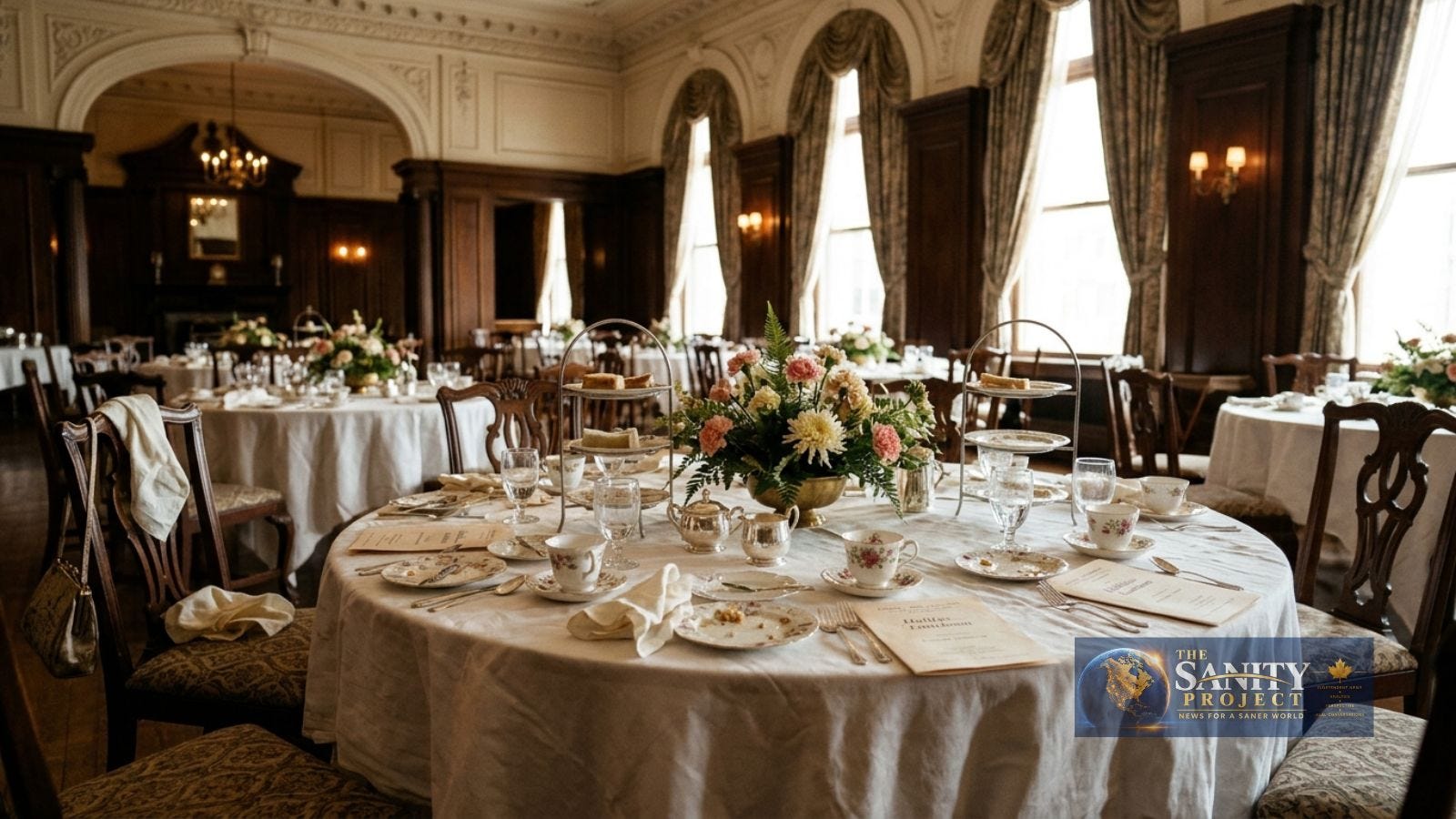
In 1979, a 27-year-old woman sat down to lunch in Halifax with the Queen Mother.
She was there on behalf of her husband, the new prime minister, who was travelling. She was the youngest woman at the table by a wide margin. And for the entire meal, the other women called her “Mrs Clark,” as though daring her to correct them.
Her name was Maureen McTeer. It still is. That was the problem.
Canada once treated her surname like a constitutional crisis. This year, it gave her one of the most serious jobs in the country. It took fifty years to get from one to the other, and a marriage that held through it all.
Who Is Maureen McTeer? The Hockey Girl From Cumberland
Key Insight: Maureen McTeer grew up near Ottawa dreaming of playing in the NHL, married Joe Clark in 1973, and became a lawyer after a dean told her she couldn’t have both a family and a career.
McTeer was born in 1952 and grew up in Cumberland, just outside Ottawa. Her father taught her and her older sister to play hockey, and young Maureen dreamed of playing in the NHL.
The NHL didn’t work out. Politics found her instead. She worked for a young Alberta MP named Joe Clark, and they married in 1973. She was 21.
When she went to law school, the dean offered some career advice. As Joe Clark later told the story, the dean told her it was best to quit. She could have babies or be a lawyer, but she couldn't be both.
“If I may say so,” Clark said decades later, “Maureen McTeer did a rather good job of proving him wrong.”
Hold on to that dean. He comes back.
Joe Clark’s Wife Wouldn’t Take His Name. Canada Lost Its Mind.
Key Insight: When Joe Clark became Progressive Conservative leader in 1976, his wife’s decision to keep her own surname became a national controversy. Some argued it made him unfit to be prime minister.
In 1976, Clark won the leadership of the Progressive Conservative Party. Overnight, his wife’s surname became a political issue.
It’s hard to explain to anyone under 40 how angry people got. Former deputy prime minister Sheila Copps has recalled that many people were livid, and some claimed Clark was unfit to lead the country because his wife wouldn’t take his last name.
Not his policies. Not his experience. Her surname.
Their daughter, Catherine Clark, has said the attacks didn’t stop with her mother. Her father took them too, because many people were baffled and offended that he “allowed” his wife to keep her name.
Allowed. As if it were his to permit.
Joe Clark never asked her to change. In May 1979, he became, at 39, the youngest prime minister Canada had ever elected. Ms McTeer stood beside him, her name intact.
The Queen Mother Settled It in One Sentence
Key Insight: After a luncheon where she was repeatedly called “Mrs. Clark,” McTeer was quietly encouraged by the Queen Mother, who told her not to be bothered by criticism.
Back to that lunch in Halifax.
When the meal ended, McTeer walked the Queen Mother to her limousine. The older woman stopped and put a hand on her arm. She said she always told her grandchildren to be themselves and do what they believed was best.
“Don’t be bothered by criticism,” she said. Then she wished her luck, and called her Ms McTeer.
Years later, McTeer said the Queen Mother would never know what strength those few words gave her.
A table full of women spent an hour making a point. The guest of honour undid it in one sentence, on the way to her car.
Most people would stop the story there. A nice moment, a gracious royal, the end.
But the real ending came this year, and it’s better.
She was told to quit law school. This year, she helped choose a Supreme Court justice.
Below this line: the 2026 job that would have left her critics speechless, the Liberal prime minister who gave it to a lifelong Tory, and what happened to every other prime minister’s wife after McTeer took the hit.
And the dean? He gets his answer.
Subscribe for free to keep reading. No credit card, just your email.
💛 A Free Love Story for Sanity Project Readers
If Maureen and Joe’s story warmed your heart, here’s one more to curl up with this Sunday.
The Long Thaw: A Quebec Ice Storm Romance by Charlotte Kilbride is a second-chance love story set during the 1998 ice storm, when a province lost its power but not its heart.
It’s yours free. Sign up for Charlotte’s romance newsletter, and the ebook will land in your inbox right away.
👉 Get your free copy of The Long Thaw

There is no legal requirement for a woman to change her name when she marries. It is custom, pure and simple. I never changed mine, and my husband was not the least concerned about my decision.
I met my wife in 1973. She had a teaching diploma. Ms G. We lived together with another younger woman and married in 1974. Times were changing. As a teacher I suggested she keep her own name. She was who she was and good at it. I don't recall any hassle then or now after 52 years of marriage.
Interesting that in 1981 after the birth of our first child that Alberta required the child take the man's surname. It's changed now but it certainly was a different world 50+ years ago