


The McIlvenna Bay Mine Proves Canada Can Build Big Things Without the Usual Fight
No blockades. No inquiry. No years-long standoff. Just a Cree Nation, two mining companies, and a very large hole in the ground that started shipping copper this year.
Something happened in northern Saskatchewan this week that almost never happens in Canadian resource development: it went well, on schedule, and nobody had to hold a press conference apologizing for anything.
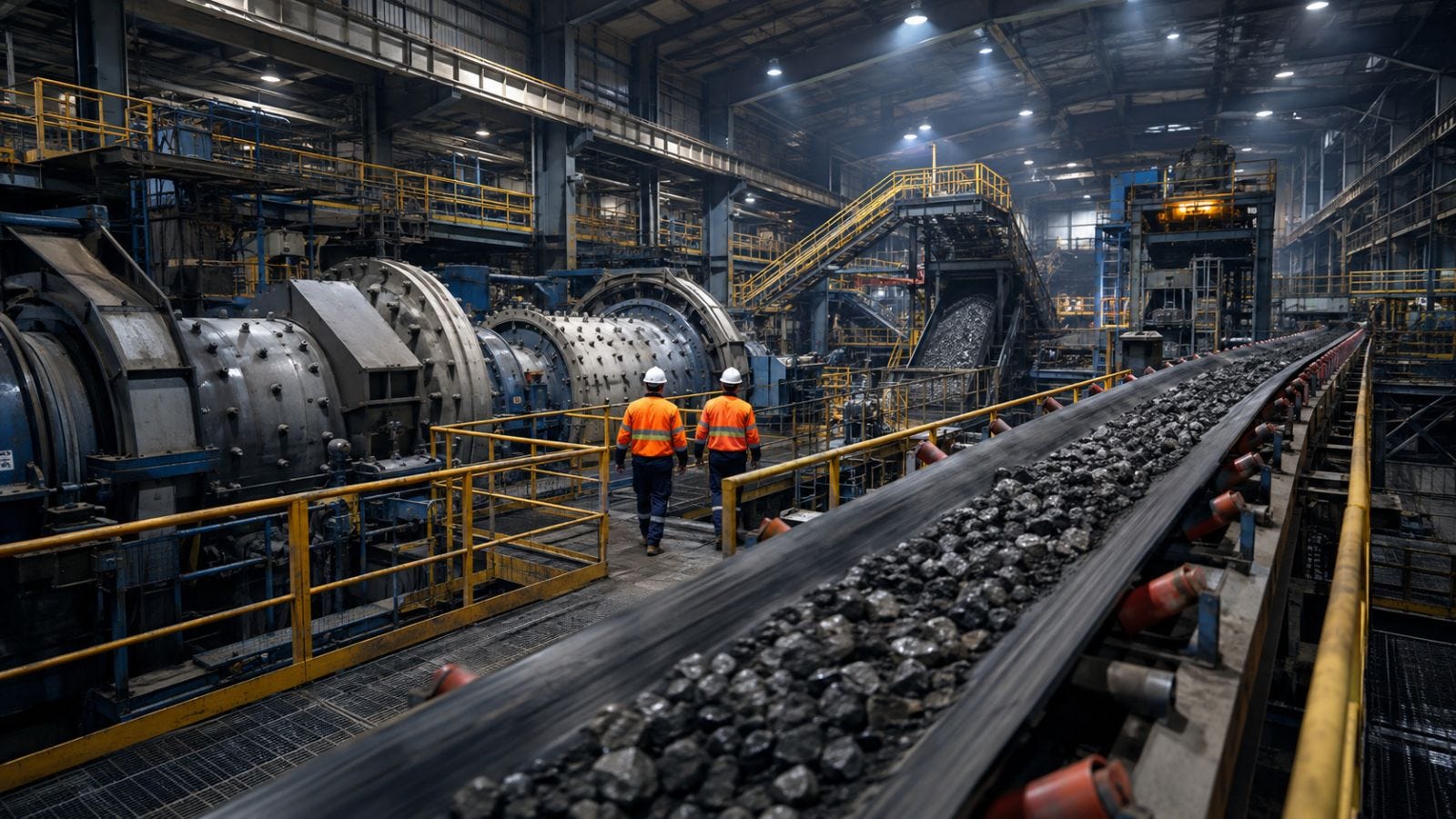
On September 2, 2026, Natural Resources Canada confirmed that the McIlvenna Bay mine has moved from construction to production. Copper concentrate started shipping in June. Zinc and pyrite followed in July. Commercial production is expected before the end of the third quarter. That’s the boring part of the story, and normally it would stay boring: a mine hits its milestones, a minister issues a release, everyone moves on.
What makes McIlvenna Bay worth stopping for is who built it and how.
Key Takeaways
McIlvenna Bay, a copper-zinc mine in Saskatchewan’s Flin Flon Greenstone Belt, reached first production in 2026 and is ramping toward commercial output by Q3.
The project sits entirely within Peter Ballantyne Cree Nation territory, under a Collaboration Agreement signed in 2023, not imposed over objections.
Roughly a third of the current workforce is Indigenous, with local jobs projected to grow toward 450.
Public investment, $20 million, $41 million, and $156 million across three federal programs, de-risked construction before a shovel hit dirt.
Saskatchewan mines copper. Quebec smelts it. This is a two-province supply chain, not a regional story.
Fact-checked coverage of Canadian resource stories,
straight to your inbox.
Inside the McIlvenna Bay Mine Ramp-Up
McIlvenna Bay went from first copper concentrate to a Major Projects Office celebration in under three months, a timeline that’s unusually clean for Canadian mine construction.
Eldorado Gold now owns and operates McIlvenna Bay, after completing its roughly C$3.8 billion acquisition of Foran Mining in April. The deposit itself sits in the Flin Flon Greenstone Belt, the same 225-kilometer mineral belt that has fed mines from Snow Lake to Flin Flon for a century.
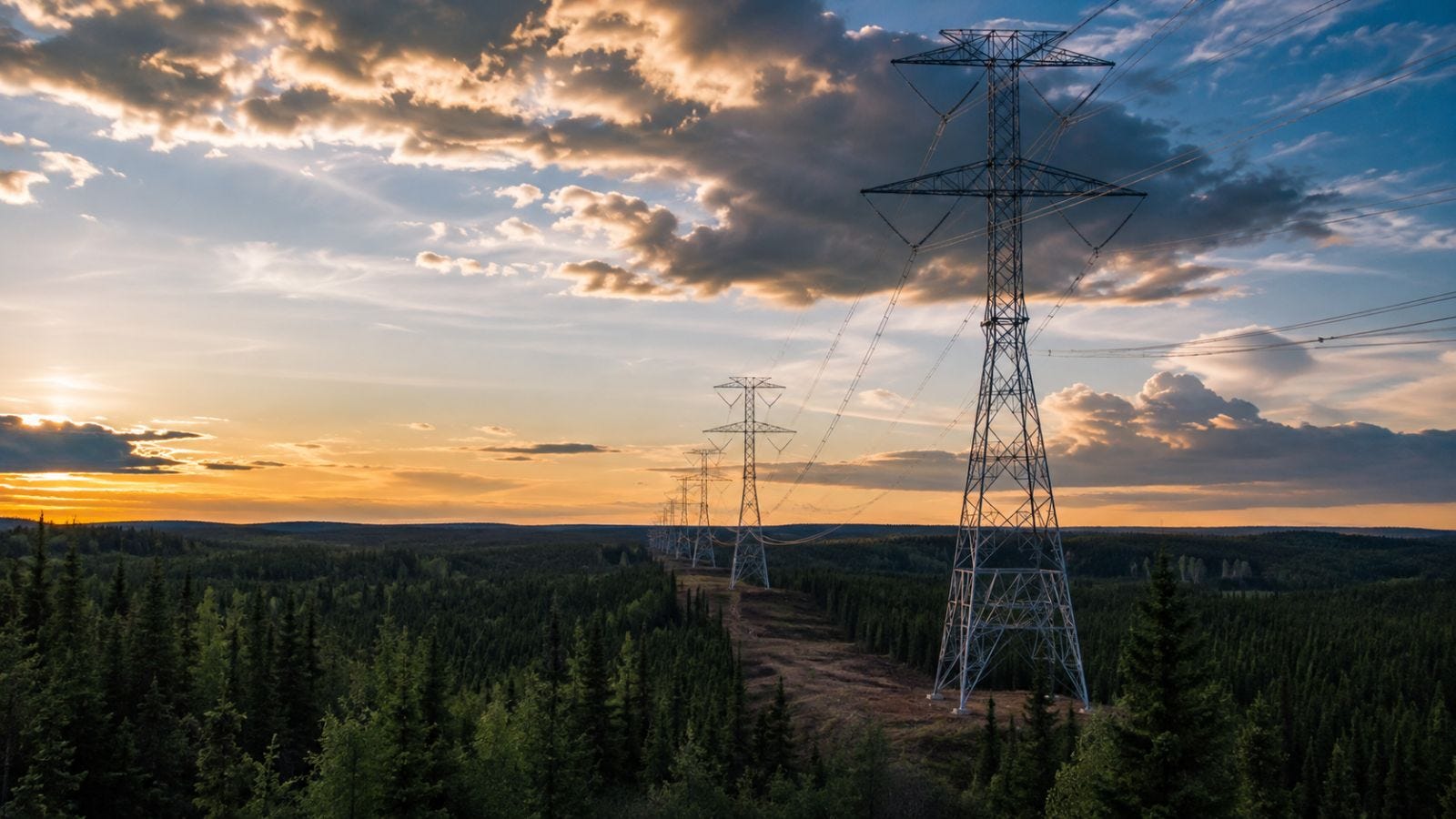
The first copper concentrate was shipped in June 2026. Zinc and pyrite followed in July. More than 400,000 tonnes of material are already ready for processing, and Eldorado is studying whether to increase the mill from 4,900 to roughly 7,000 tonnes per day, with a silver-lead circuit added on top. Another 14,000 meters of exploration drilling is underway this year alone. The mine also runs on renewable power now, after a new dedicated transmission line connected the site to SaskPower’s grid near the Island Falls hydroelectric station.
According to a March 2025 feasibility study, the mine is expected to operate for at least 18 years. At steady state, that’s an average of 41 million pounds of copper, 54 million pounds of zinc, 20,000 ounces of gold, and 444,000 ounces of silver every year.
None of that required a fight, and that’s the detail everyone keeps skipping past.
The Peter Ballantyne Cree Nation Isn’t Just Consenting. It’s a Partner.
The McIlvenna Bay mine sits entirely inside Peter Ballantyne Cree Nation territory, and it exists because PBCN signed onto it, not because a court told them they had no choice.
Peter Ballantyne Cree Nation has more than 12,000 members spread across nine communities over 51,000 square kilometers of northeastern Saskatchewan. The McIlvenna Bay Deposit sits entirely within their documented traditional territory. That fact alone has derailed plenty of Canadian resource projects. It didn’t derail this one.
On July 17, 2023, Chief Karen Bird and Foran’s Dan Myerson signed a Collaboration Agreement between PBCN and Foran’s subsidiary, McIlvenna Bay Operating Ltd. The agreement covers training, employment, and business opportunities for PBCN members, the unglamorous mechanics that determine whether a partnership means anything once the news release fades.
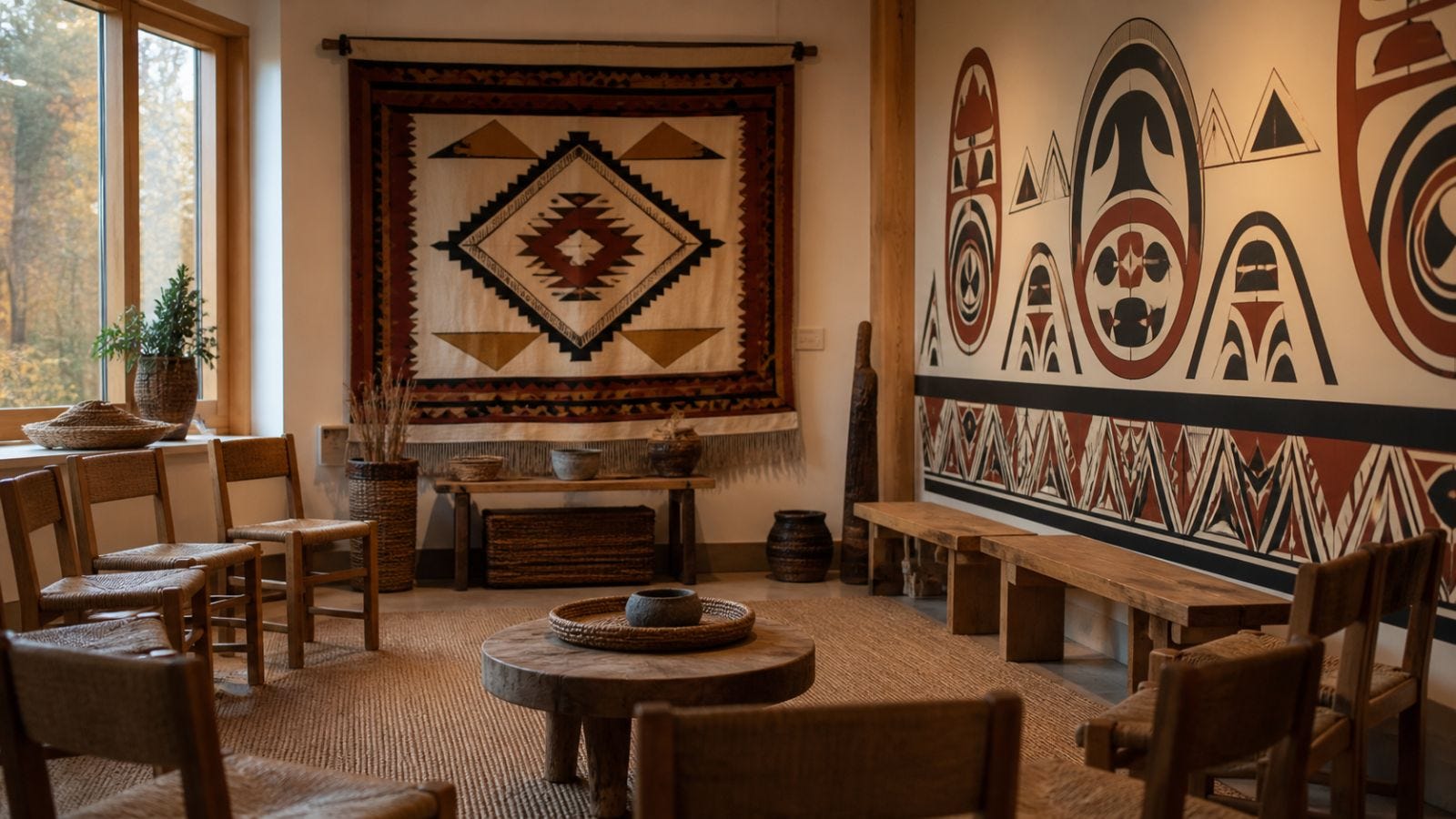
A year later, PBCN and Foran unveiled a Culture and Wellness Room at the Hanson Lake site, built for smudging and reflection, with a Treaty Map, a Star Blanket, a Medicine Wheel rug, the Seven Teachings rendered in Cree syllabics, and murals by Pelican Narrows artist George Custer.
Today, roughly 34 percent of the mine’s 380 full-time workers are Indigenous, out of a workforce expected to grow to about 450 once commercial production kicks in. That’s not a symbolic hire or two for the annual report. That’s a third of a 450-person industrial workforce, built into the project before construction started rather than bolted on after.
Why Ottawa Is Calling This National Security Economics
Copper and zinc sit on Canada’s Critical Minerals list, and Ottawa is treating McIlvenna Bay as the proof of concept for how its new Major Projects Office is supposed to work.
In September 2025, McIlvenna Bay became one of the first projects referred to the federal government’s new Major Projects Office, the body created to fast-track projects deemed nationally important. A year later, almost to the day, the government is pointing at McIlvenna Bay as evidence that the model works.
The public money came in stages, and it came before the mine had shipped a single tonne. December 2024 brought up to $20 million through the Critical Minerals Infrastructure Fund, now folded into the First and Last Mile Fund, to help build a hydro transmission connection, a substation, and on-site EV charging infrastructure. January 2025 added $41 million through the Strategic Innovation Fund. May 2025 brought roughly $156 million from the Canada Growth Fund alongside private co-investors.
That’s not a subsidy story so much as a de-risking one: public money went toward the parts of the project (transmission, substations, clean-technology integration) that private capital treats as infrastructure risk rather than mining risk.
Copper feeds EVs, batteries, and the electrical grid. Zinc galvanizes the steel in roughly 60 percent of the world’s bridges and buildings. Minister Tim Hodgson called McIlvenna Bay proof of “what Canada can accomplish when governments, Indigenous partners, workers and industry work together.” For once, the sentence matches the paperwork.
A Truly National Project: Saskatchewan Ore, Quebec Smelters
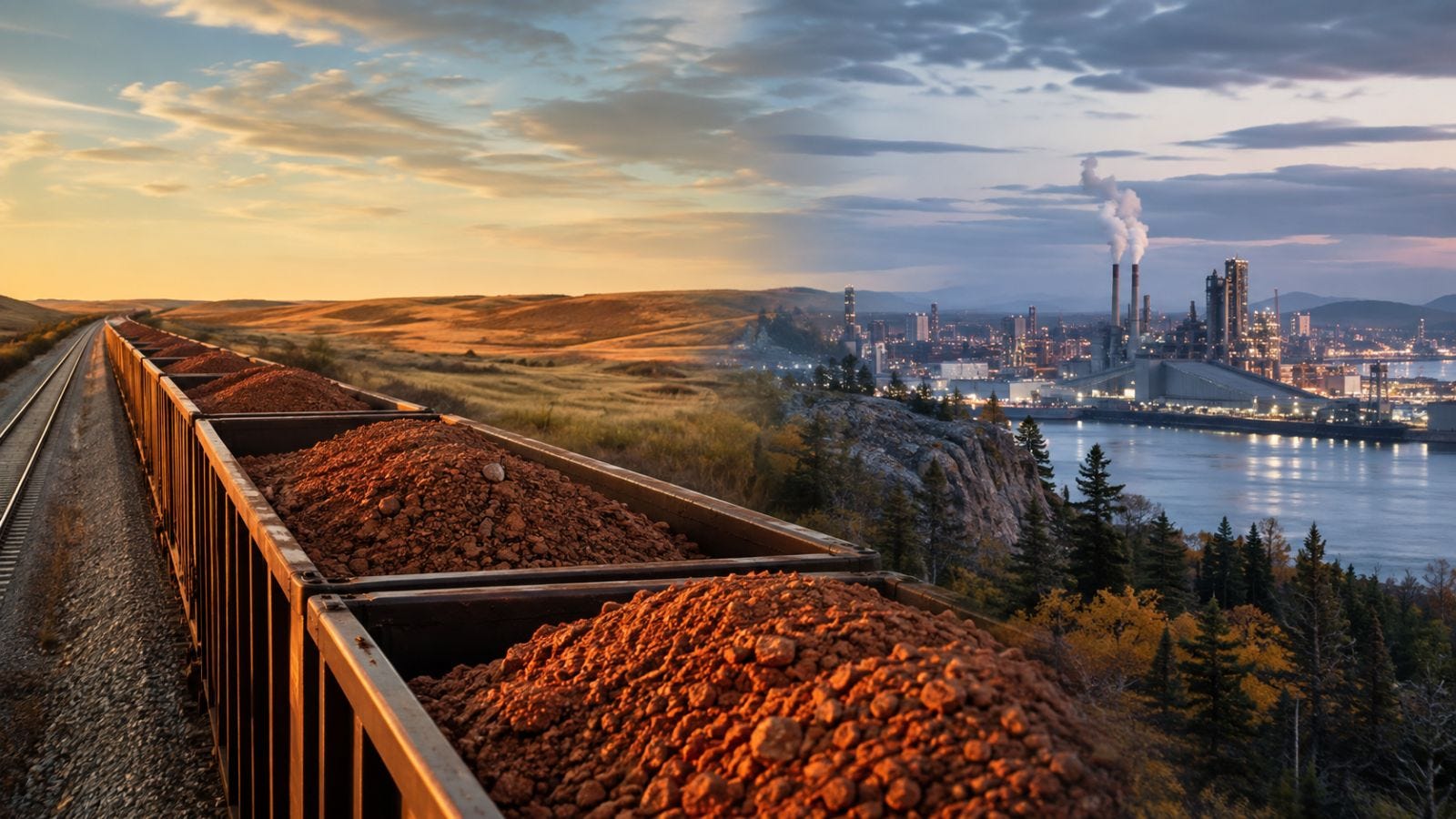
The ore comes out of the ground in Saskatchewan, on Peter Ballantyne Cree Nation territory. The copper gets refined into usable metal roughly 2,500 kilometers away, in Quebec.
It’s easy to read McIlvenna Bay as a Saskatchewan story: a Saskatchewan deposit, a Saskatchewan utility, a Saskatchewan Cree Nation. But Natural Resources Canada’s own release is specific on this point. The copper concentrate coming out of McIlvenna Bay gets smelted in Quebec, which means the mine’s economic footprint doesn’t stop at the provincial border.
Saskatchewan supplies the ore body, the workforce, and the transmission infrastructure. Quebec provides the downstream processing capacity to turn raw concentrate into usable copper metal.
Running the concentrate from a Saskatchewan deposit into Quebec’s smelters makes this a genuinely national supply chain, crossing two provinces that don’t share a border and don’t always share a headline. Nobody writes a press release about which province smelts the ore.
But it’s exactly the kind of detail that turns a single-province mining project into a national one: Canada mining its own critical minerals and refining them on Canadian soil, rather than shipping the raw material overseas and reimporting the finished product.
In 2025, the minerals sector accounted for 721,000 jobs and $157 billion, about 5 percent of Canada’s GDP, spread across the country rather than concentrated in one region. McIlvenna Bay is a small, specific example of that pattern in motion.
Editor’s View
I’ve spent enough years watching deals fall apart, in policing and in real estate, to know that partnerships built on paperwork survive longer than partnerships built on goodwill alone. The Collaboration Agreement, the Culture and Wellness Room, the hiring numbers: none of that is an accident, and none of it happened because a mining company decided to be generous. It happened because Peter Ballantyne Cree Nation had leverage, used it, and got specific commitments in writing before construction started.
My prediction: McIlvenna Bay becomes the template the federal government points to every time it wants to justify the Major Projects Office model, whether or not the next project earns the comparison. Watch for the phrase “the McIlvenna Bay model” to show up in a press release within the next year. I’d bet on it.
Six weeks from now, most of this will have faded from the news cycle, the way infrastructure wins usually do. No protest, no injunction, no viral moment. Just a Cree Nation, a mining company, and two provincial economies quietly doing the unglamorous work of building something that lasts eighteen years or more. That’s not a small thing. It’s just a quiet one.
Follow for more fact checks that cut through the noise.
Corrections and Updates: This piece reflects verified figures as of September 2, 2026, drawn from primary releases by Natural Resources Canada, Eldorado Gold, Foran Mining, SaskPower, and Peter Ballantyne Cree Nation. Updates will be logged here if any figures change.
Great news and collaboration showing results! And the first grain left Churchill this week going to Europe. Go Canada!
Fabulous.