


The Mine That Won’t Die: How Grassy Mountain Keeps Coming Back
A project can lose a regulatory review and still not be dead. In Alberta, that’s not a metaphor. That’s just the last five years of the Grassy Mountain coal project.
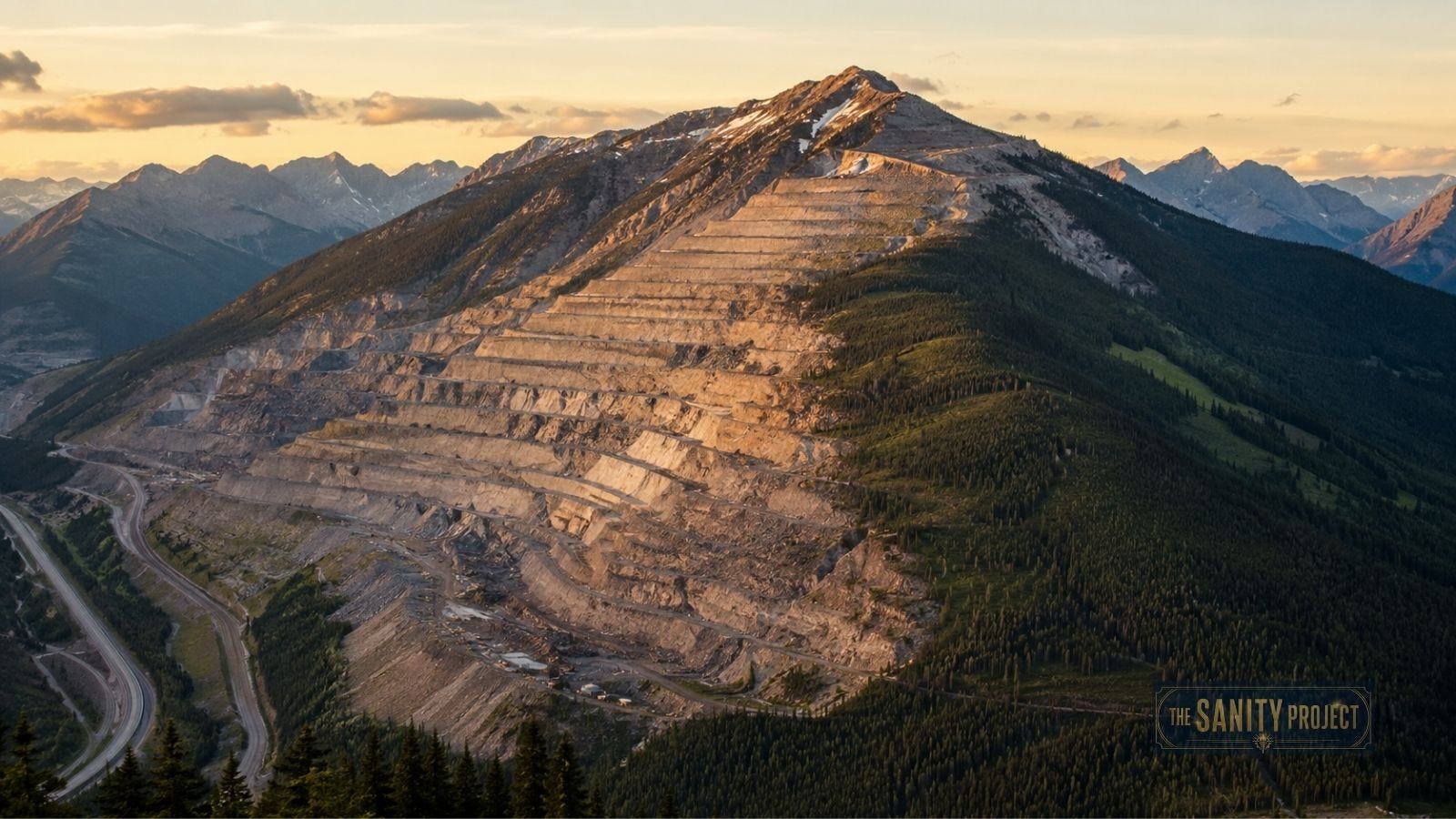
Two independent bodies studied this open-pit metallurgical coal mine in the Crowsnest Pass, held five weeks of public hearings, and rejected it outright. That was 2021. As of June 2026, the same mountain, the same open-pit, and the same Australian ownership are back, under a third corporate name, pitching a “smaller” version of the exact plan regulators already said couldn’t be made safe.
The mountain never changed. The letterhead did.
New here? Subscribe to The Sanity Project for fact-checks
that don’t blink.
What the 2021 Rejection Actually Said
Key Insight: A joint federal-provincial panel spent five weeks reviewing the Grassy Mountain coal project in 2021 and rejected it, citing irreversible harm to a genetically pure population of westslope cutthroat trout. Ottawa upheld that rejection weeks later.
The review that killed Grassy Mountain in 2021 wasn’t a formality. It was a joint panel combining the Alberta Energy Regulator and the federal Impact Assessment Agency of Canada, the most rigorous process either government offers a project like this. Over five weeks of public hearings, the panel examined the mine from every angle it could: economic, social, environmental.
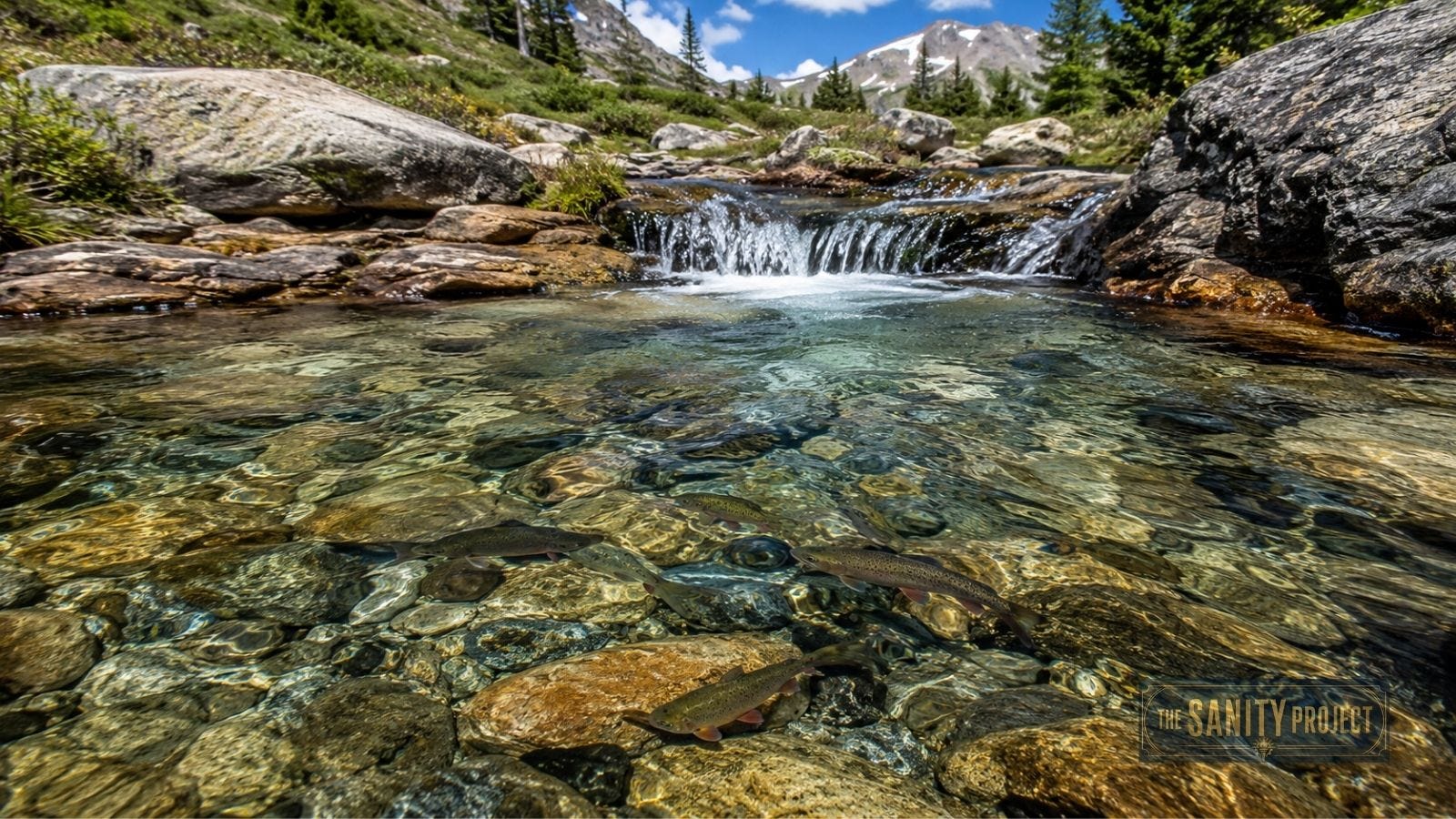
Its conclusion wasn’t hedged. The project would cause significant adverse effects on westslope cutthroat trout and surface water quality, effects the panel found could not be adequately mitigated.
That trout population matters more than a casual reader might assume. It carries 99 percent genetic purity in that stretch of watershed, meaning there’s no simple relocation plan or hatchery fix waiting in the wings if something goes wrong downstream.
Under Alberta’s own Coal Conservation Act, the panel decided the mine simply wasn’t in the public interest. The full joint review panel report lays out exactly how it got there.
In August 2021, Ottawa followed with its own rejection. Two governments, two separate reviews, one conclusion.
At the time, the mine’s owner, Benga Mining Limited, an Australian-backed company, had spent roughly $15 million developing the project. By any normal standard, that’s where the story would have ended.
Same Mine, Three Names
Key Insight: Benga Mining Limited became Montem Resources. Montem Resources became Northback Holdings Corporation. The mountain, the ownership, and the open-pit design never changed. Only the name on the application did.
It didn’t end. Benga Mining Limited rebranded as Montem Resources. Then Montem rebranded again, becoming Northback Holdings Corporation. Same mountain. Same open pit. Same Australian ownership, sitting quietly behind a new letterhead.
Here’s the problem with that. Alberta’s regulatory process is built to treat a genuinely new applicant differently from a rejected one reapplying. Northback used exactly that gap, filing fresh applications and arguing its version of the project was distinct enough from the 2021 rejection to earn a brand-new look. Regulators agreed to treat it as new.
It wasn’t new. It was the same mine, wearing its third name in four years. And here’s the thing about a strategy like that: it only works if the system treats corporate identity as more meaningful than the physical facts on the ground. The mountain doesn’t know its owner's name. Only the paperwork does.
How Northback Holdings Got a Second Chance
Key Insight: The Alberta Energy Regulator approved Northback’s new coal exploration program in May 2025, months after fresh hearings in Pincher Creek, and months before the federal environmental review was terminated at Northback’s own request.
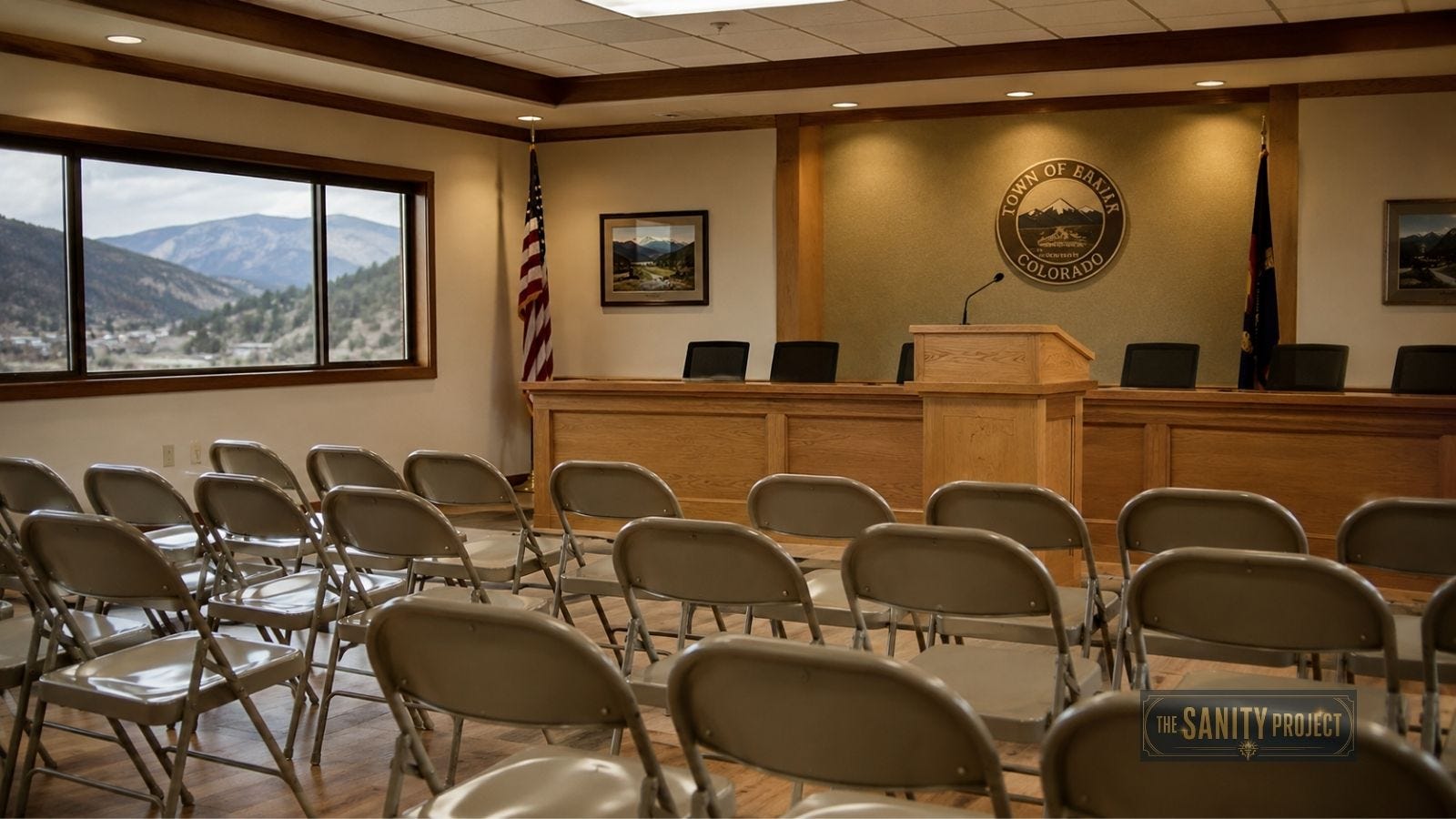
In December 2024, the AER held fresh hearings in Pincher Creek, the town that would host the mine. Five months later, in May 2025, the AER approved Northback Holdings’ application to run a new coal exploration program at the site. Alberta’s provincial process was moving forward.
Ottawa’s process wasn’t going nearly as well for Northback, so Northback simply left it. By December 2025, the federal Minister of Environment and Climate Change officially terminated the federal environmental assessment of Grassy Mountain. Not because Ottawa approved the project. Because Northback asked to withdraw, choosing to pursue approval solely through the provincial process.
Walking away from a review isn’t the same as passing one. It just means the only regulator left checking your work is the one you’d rather deal with.
The “Reduced” Plan That Isn’t Reduced Much
Key Insight: Northback’s June 2026 pitch cuts annual production from 4.5 million tonnes to 2.5 million tonnes, a 44 percent reduction on paper. The mountain, the watershed, and the selenium risk regulators already flagged stay exactly where they were.
As of June 2026, Northback is pitching a “reduced” version of Grassy Mountain: 2.5 million tonnes of coal a year instead of 4.5 million. On its face, that’s a 44 percent cut. It’s meant to sound like compromise.
It isn’t one. The mine’s footprint, its location in the Gold Creek and Blairmore Creek watersheds, and its selenium runoff risk to the Oldman River all stay substantively the same. Cutting production volume doesn’t move the mountain out of trout habitat, and it doesn’t change what open-pit coal mining does to water quality for decades after a mine closes.
Groups like the Alberta Wilderness Association have made this exact point since the revised pitch appeared: smaller production numbers, same watershed underneath it.
What’s fascinating is how little the math actually has to do with the mountain. A 44 percent production cut is a negotiating position. It is not a different mine in a different watershed, with a different level of risk to Alberta coal-mining Eastern Slopes water systems that people downstream still depend on.
Nothing about Grassy Mountain has changed since 2021. Not the mountain. Not the ownership. Not the risk. What changed is the name on the door.
That’s the pattern worth sitting with. Two independent regulators said no to this project. The mountain, the watershed, and the ownership structure behind it are the same today as they were then. What’s different is a company that figured out the fastest way past a rejection isn’t to fix the problem. It’s to file the paperwork again under a different name and hope nobody’s counting.
Honestly? Nobody was counting, for a while. That’s kind of the point of this piece. A rejection that doesn’t stay a rejection isn’t really a regulatory outcome. It’s a starting position for the next round of paperwork. Whether that’s a flaw in the system or the system working exactly as a patient, well-funded applicant expects it to, is the question Alberta hasn’t had to answer publicly yet.
Next week in Part 2, we follow the money. Because while Northback was busy rebranding and reapplying, Alberta taxpayers were quietly writing cheques, over $238 million in settlements to Australian coal companies whose projects were rejected by independent experts. One company spent $15 million developing its proposal. Alberta paid it $95 million to go away. We’ll show you the math, and ask why it doesn’t add up.
Follow for more fact checks that cut through the noise.
I made a $1 bet when Smith became Premier that Smith will try to get Grassy Mountain approval even if it involves corruption and an illegal application. So far I am winning and it shows how far removed Premier Smith is removed from claim to represent Albertans. Last I read was 80 % against coal mining in Eastern Slopes, which by the way if I use that term in rural Alberta, 50% don't know what I mean. As far a selenium, and Albertans complaining about Eastern Laurentian Elites nor caring or knowing about THE WEST, ask any Albertan where the Alberta rivers end up with all that selenium? Not a clue. Ask an Albertan what the population of Ontario or Quebec is? I think we know less about the East than they know about the West. Many Eastern Canadians i have met go back almost 400 years. My family came to Winnipeg in the 1960s, just 4 generations ago. Have I been East. Yup spent 4 months traveling thru Ontario Quebec and the 3 Maritime provinces 45 years ago. Great trip but still prefer the Prairies.
Thank you Bo! Keep it coming!!