How Canada’s $100/kWh Blindspot Shook the Auto Industry
The collapse of Canada’s most ambitious EV factory projects has stunned both the automotive world and the public. While headlines claim consumer fatigue and fading demand for electric vehicles, the real force behind these economic earthquakes is lurking far deeper. At the center of it all? A single, ruthless number: $100 per kilowatt-hour.
The $100/kWh Rule: Breaking or Making the Market
Automakers and policymakers have long treated battery price as the key to unlocking the mass market for electric vehicles. The widely accepted wisdom is simple: when the average cost to make EV batteries drops below $100 per kilowatt-hour, building and selling electric vehicles becomes as affordable as gas cars, even without government subsidies. Cross that line—and the whole equation tilts.
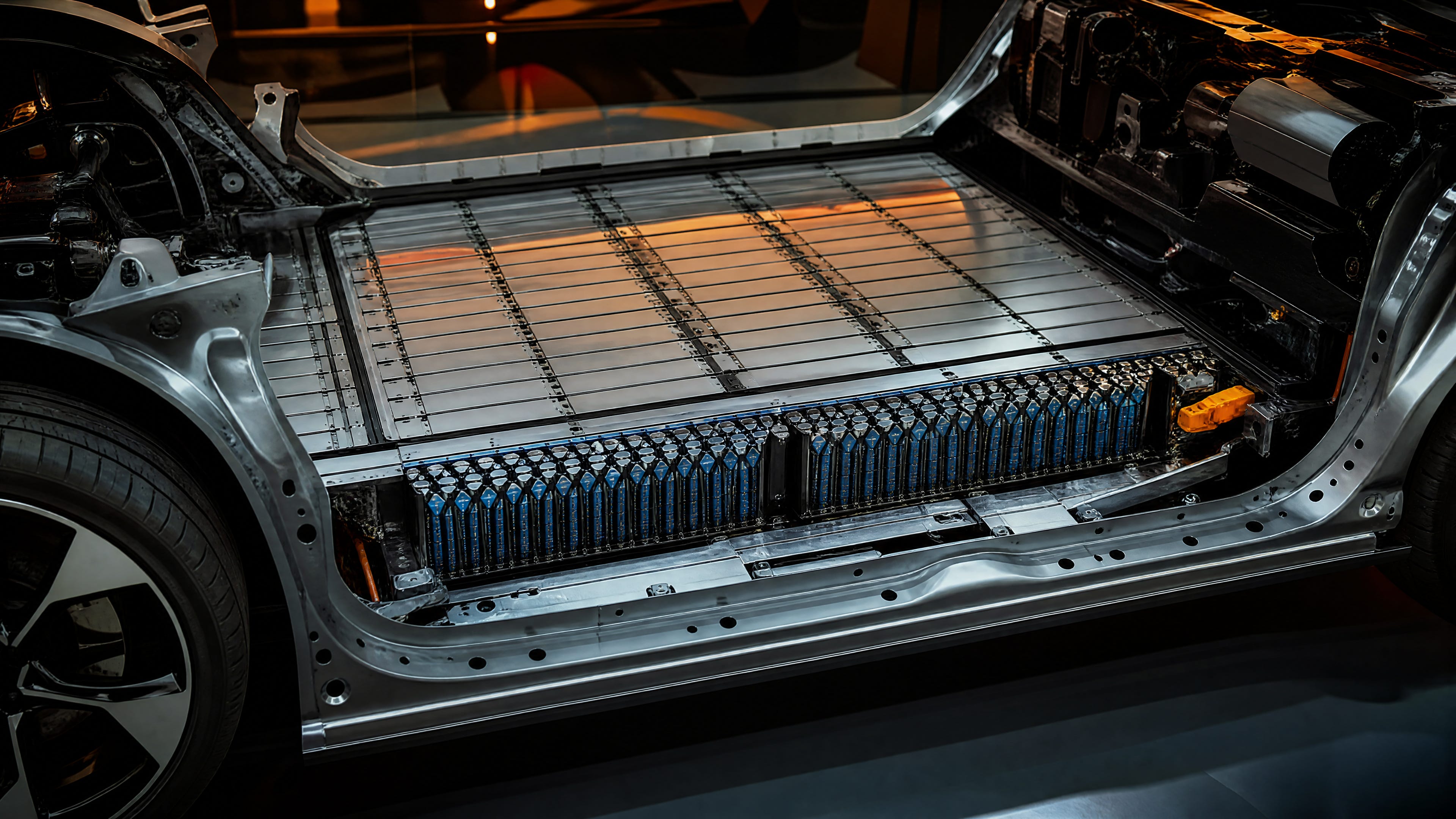
For years, Western automakers have chased this threshold, expecting to achieve battery cost parity by refining NMC (nickel-manganese-cobalt) battery chemistry. These batteries promised high energy density and the long range demanded by North American consumers. But the financial gamble didn’t pay off. The commodities needed—nickel and cobalt—proved far too volatile and expensive to guarantee stable, competitive costs.
The East-West Chemistry Divide: How China Gained the Upper Hand
While North American and European manufacturers doubled down on expensive chemistry, Chinese tech giants like BYD and CATL made a different bet. They adopted lithium iron phosphate (LFP) chemistry—based on cheap, abundant iron—which western experts initially mocked as being only fit for golf carts. Chinese engineers, however, relentlessly optimized production, boosting energy density and scaling manufacturing to new heights.
The payoff? By 2024, BYD and CATL were delivering batteries at costs ranging from $56–$60 per kilowatt-hour—nearly half the critical threshold and leagues ahead of western rivals still mired at $110–$130 per kilowatt-hour. The result: Chinese-made EVs can be sold profitably at prices that Western firms simply cannot match.
Economic Aftershocks: Why Projects Like Honda’s Ontario Plant Were Frozen
When a $15 billion EV plant in Ontario was put on an indefinite hold, mainstream coverage described it as a demand crisis. But this interpretation misses the mark. The math is unavoidable: a plant designed to pump out vehicles with obsolete, high-cost batteries cannot compete in a market ruled by sub-$60/kWh Chinese technology. Building the factory would be building a monument to flawed arithmetic—doomed to sell uncompetitive EVs at a loss or propped up by endless subsidies.
Manufacturers can’t outmarket a $ 70-per-kilowatt-hour disadvantage. They can’t pass that cost along to consumers without pricing themselves out of the market, nor can rebates and subsidies permanently cover such a structural deficit. Canada’s challenge is not persuading people to want EVs; it’s about making affordable vehicles at a profit. On this crucial front, domestic automakers have simply lost.
Policy Paralysis and Contradiction
Policy responses only highlight the confusion. Government programs pump billions into rebates for “affordable” EVs, yet these incentives exclude the very cheapest, highest-value cars—those made in China—due to trade rules and protectionist measures. The result is a policy apparatus at war with itself, trying to shield legacy manufacturers even as the cost gap widens.
The Road Ahead
Unless western automakers can cut battery costs in half, they face a grim fork: license technology from their Chinese rivals or cede the affordable car market altogether, surviving only by selling high-margin trucks and luxury vehicles.
Canada’s EV story is not about lost demand—it is about losing the race to make batteries cheap. The future of Canadian manufacturing, and the promise of affordable electric mobility, will be won or lost at the battery factory—not on the showroom floor.
For the in-depth report, go to our News Site @ https://blog.thesanity.org