


The Trillion-Dollar Question
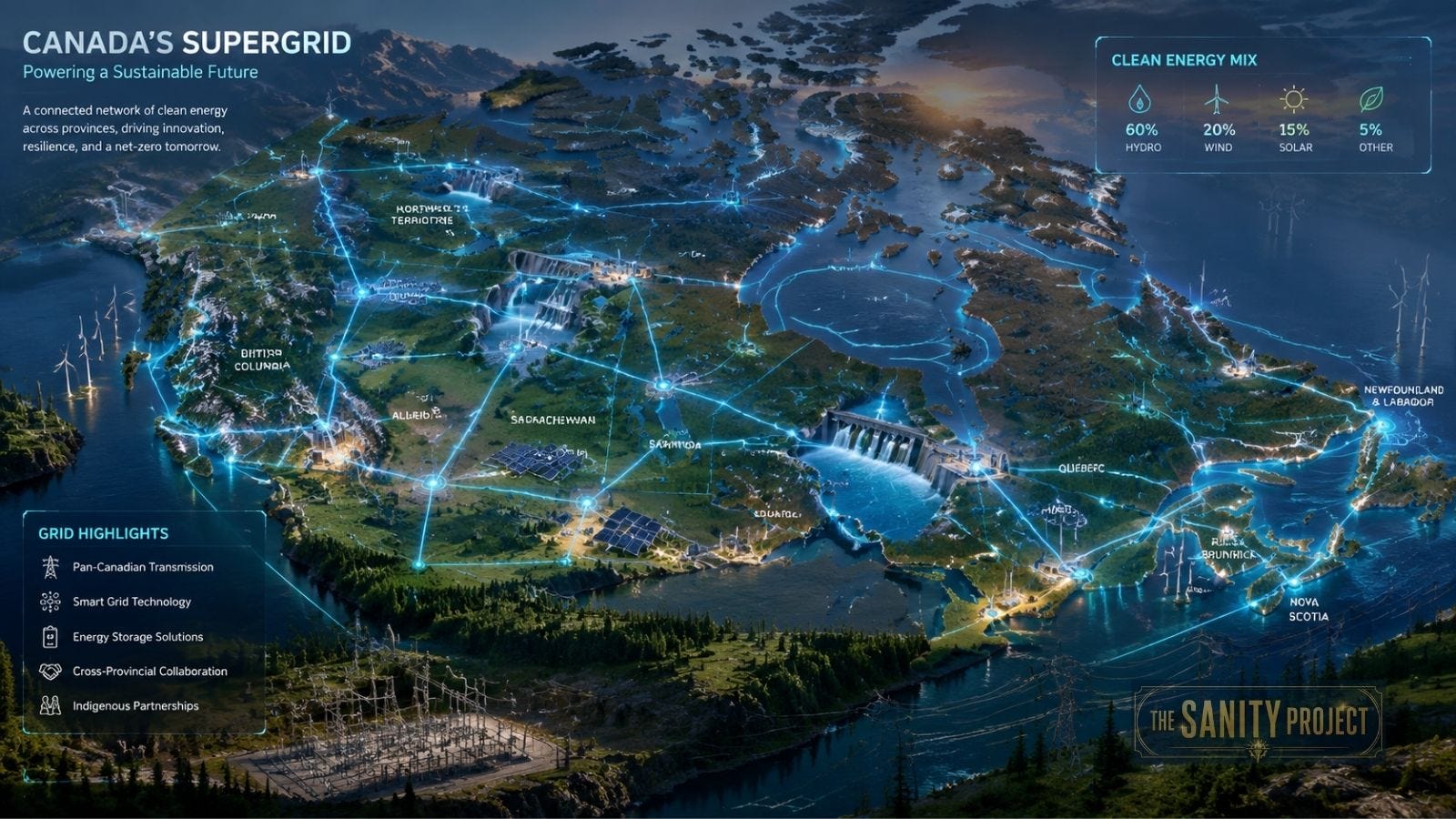
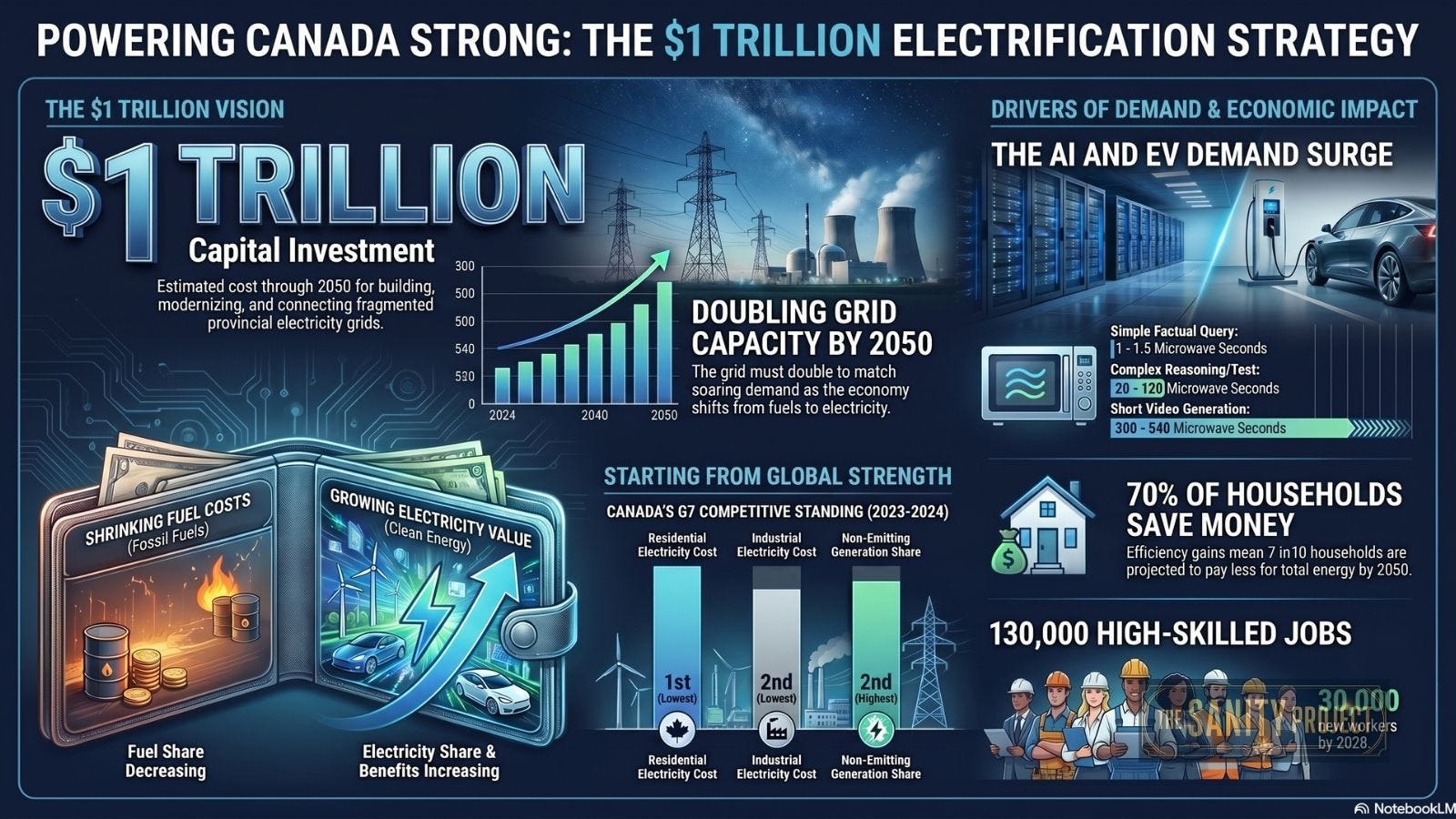
Canada’s ambitious plan to double its electricity grid by 2050 comes with a staggering $1 trillion price tag. Framed as a national push for clean energy and economic modernization, the plan is about more than just climate goals—it’s a direct response to an explosive new source of energy demand: artificial intelligence and the rise of data centers. But as billions pour into high-tech infrastructure, a critical question emerges: who will actually bear the brunt of these historic investments—the average Canadian or the multinational tech giants driving this new demand?
The Energy Wallet: Where Does Your Money Go?
The federal government’s pitch leans heavily on an optimistic promise: by 2050, seven out of ten Canadian households will spend less on energy than today, thanks to the superior efficiency of electric vehicles and heat pumps displacing fossil fuel use. The concept of the “energy wallet” is central—your total outlay for gasoline, heating, and electricity is supposedly reduced as you transition away from inefficient combustion.
But there’s an uneasy catch. While households may benefit from cheaper electricity in theory, they are also being asked, as taxpayers, to help finance a grid built not just for home use but also for the vast, relentless appetites of AI infrastructure—much of it owned by highly profitable tech corporations.
The AI Data Center Elephant in the Room
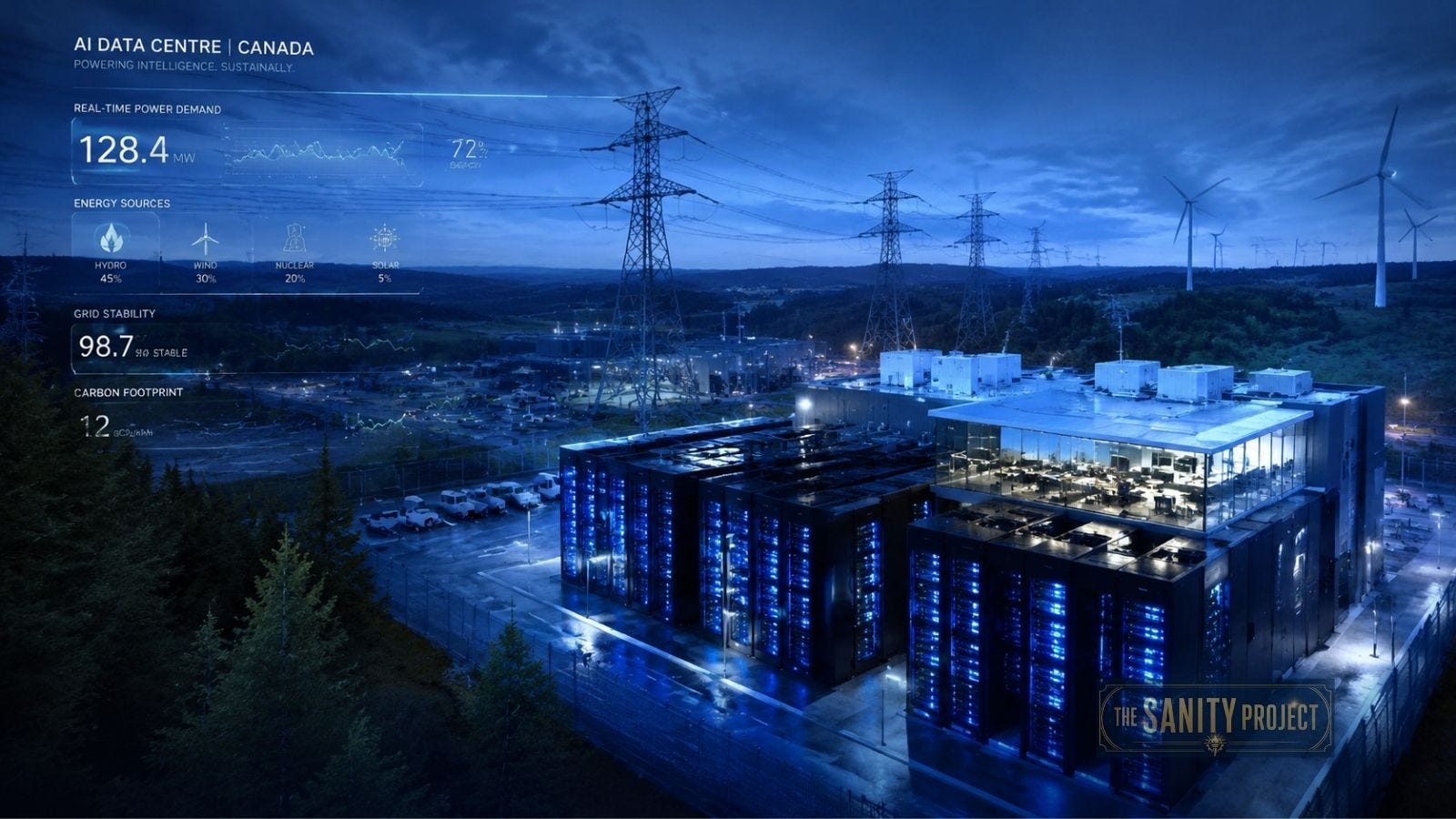
AI’s power needs are unlike anything the grid has encountered before. Every AI-generated image or conversation requires the energy equivalent of running a household microwave for minutes—a scale multiplied across billions of transactions daily. Canada’s cool climate is increasingly attracting global tech firms eager to build sovereign data centers, putting pressure on the existing grid to handle unprecedented loads.
This new reality transforms the grid expansion from a purely public endeavour into a mixed public-private venture. Yet, it’s the government—hence, taxpayers—who are offering to use the nation’s AAA credit rating to secure financing. The promise is that, over time, higher efficiency will balance the ledger for average Canadians. But AI’s insatiable growth means much of that newly built capacity may flow first to corporate servers rather than homes.
Taxpayer or Tech Giant: Who Really Foots the Bill?
The tension lies in the distribution of costs and benefits. On one hand, the grid upgrade supports electrification and climate goals. On the other hand, it is being rapidly accelerated to meet the needs of profitable corporations. Will there be mechanisms to ensure that those who drive demand shoulder a fair share of the cost? Or are Canadians being asked to subsidize private profits under the guise of public modernization?
Current plans offer little clarity. While energy bills may nominally decline thanks to a more efficient grid, the taxpayer burden for financing vast new infrastructure remains opaque. If the gigawatt-hours destined for data centers are primarily fueling commercial activity, should tech giants pay higher rates or contribute directly to infrastructure costs? Without clear policy provisions, there’s a real risk that Canadians may end up subsidizing the cooling bills for foreign-owned AI, even if their personal “energy wallets” shrink at the pump or furnace.
The Big Picture—and What You Should Demand
As Canada’s transformation accelerates, the debate isn’t just about technology or emissions. It’s about fairness and the allocation of public resources in a new age of digital power. The case for upgrading Canada’s grid is undeniable. But as investments take shape, Canadians should insist on transparent mechanisms to ensure that those who profit most from the new era of AI-powered electricity also carry their share of the financial load.
Are we building a grid that supports national prosperity and environmental goals, or are we unwittingly footing the bill for the AI revolution’s corporate winners?
For the in-depth report, go to our News Site @ https://blog.thesanity.org