


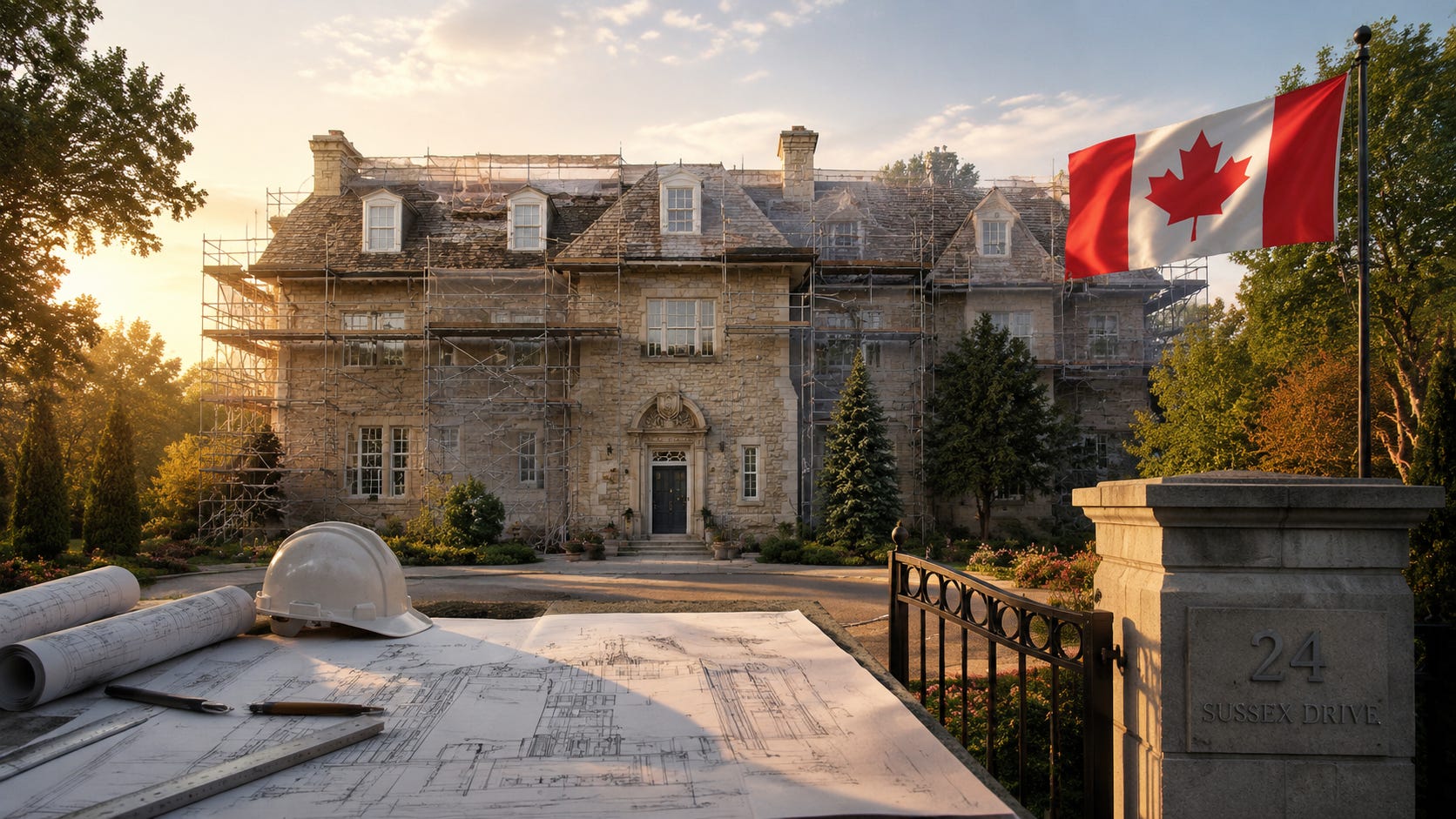
The Architect Behind Habitat 67 Will Help Decide What Canada’s PM Residence Looks Like Next
The Rideau Hall Foundation’s donation portal for the restoration of 24 Sussex Drive is now live, and the rules around who can give are worth understanding before anyone writes a cheque.
Only Canadian citizens, permanent residents, and philanthropic organizations are eligible to donate. Corporations are explicitly excluded. No single donor can cover more than 10 percent of the final project cost, and every donor’s name will be made public. This is not a quiet patronage arrangement. It is the most transparently structured public fundraiser the federal government has ever attached its name to.
The exclusion of corporate donors is deliberate and consequential. Any construction firm or contractor that might eventually bid on the project is kept entirely outside the donor circle, removing a conflict of interest that would otherwise shadow every contract decision. The 10 percent cap prevents any single donor from holding disproportionate influence over a national public project, and full public disclosure means Canadians will know exactly who stepped up and who stayed quiet.
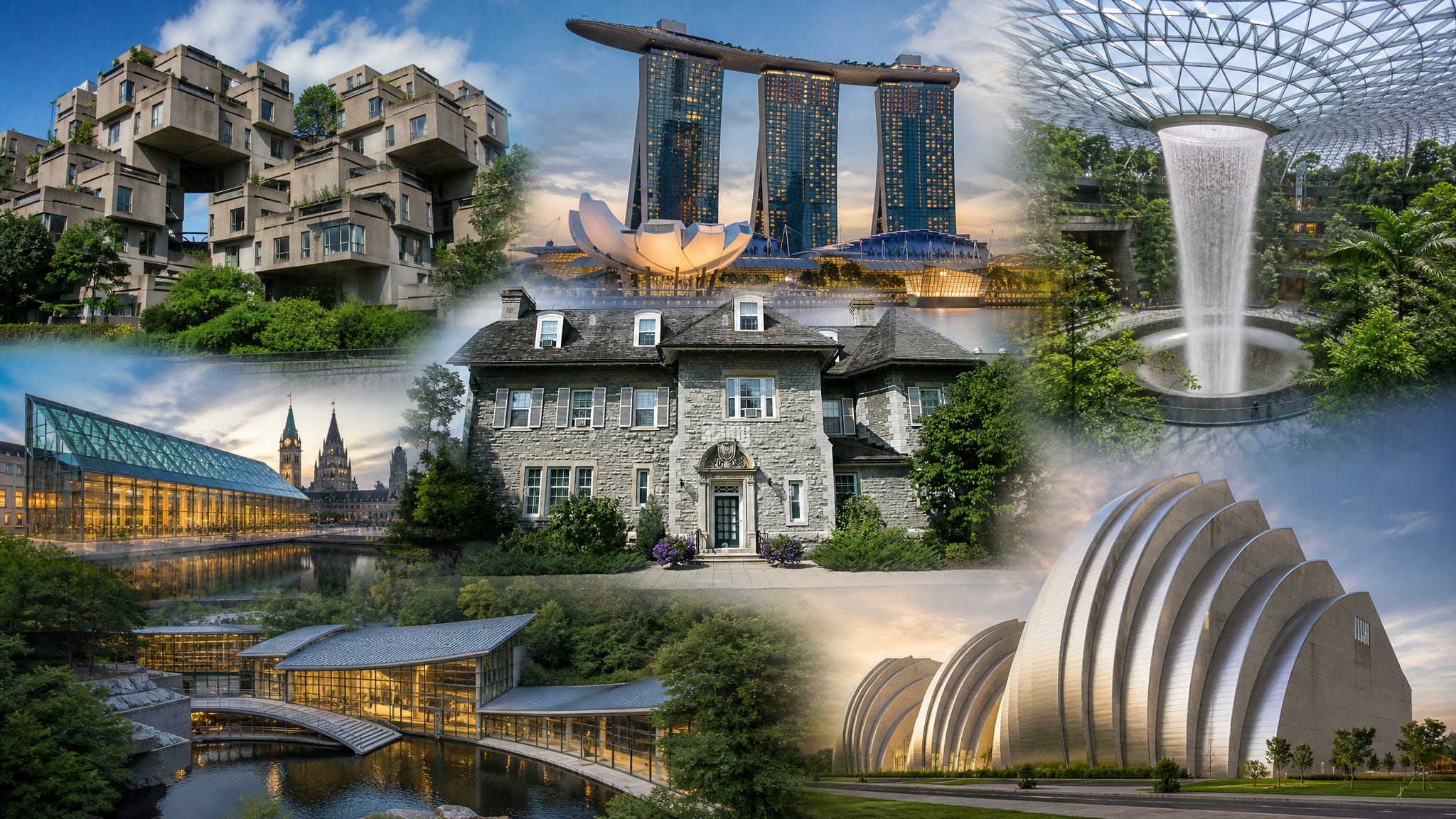
The fundraising side is only half the story. The design competition, managed by the Royal Architectural Institute of Canada, will be judged by a jury of seven that includes some of the most significant names in Canadian architecture. The jury is chaired by Moshe Safdie, the architect behind Habitat 67, the National Gallery of Canada, and Crystal Bridges Museum of American Art. The other jurors are Carol Bélanger, Nicolas Demers-Stoddart, Omar Gandhi, Mamie Griffith, Patricia Kell, and Brigitte Shim, a roster that covers heritage conservation expertise and contemporary design in equal measure.
The competition is open to all Canadian firms, with a winner announced by Canada Day 2027. The central question the jury will have to resolve is one that divides architects and heritage advocates: Does Canada restore 24 Sussex as faithfully as possible to its 1860s character, or does the renovation reflect the country Canada is in 2026? It is a classified heritage asset. It also needs to function as a working residence for the next 50 years. That tension will define every shortlisted proposal.
As we covered in our first piece on 24 Sussex, the decade of vacancy was never actually free — taxpayers funded the empty building quietly the entire time. This second chapter is different. Canadians now have a direct way to participate in the outcome. The Rideau Hall Foundation’s donation portal is open at Rideau Hall Foundation. The design competition will produce something that stands for a generation.
The fundraising campaign will tell us whether Canadians believe their institutions are worth investing in when given the choice.
It’s a really thoughtful plan that Carney initiated…things I love about it…open to Canadian architects…panel of 7 judges…the public is involved and no one entity will have the ability to donate larger amounts or to influence the outcome…
24 Sussex was built in 1867, a momentous year for Canada. At the same time, we are at a pivotal time for the future of Canada. I would like to see the grandeur and history of the house respected in a future-forward, state-of-the-art edifice that celebrates our French, English, and Indigenous roots.