



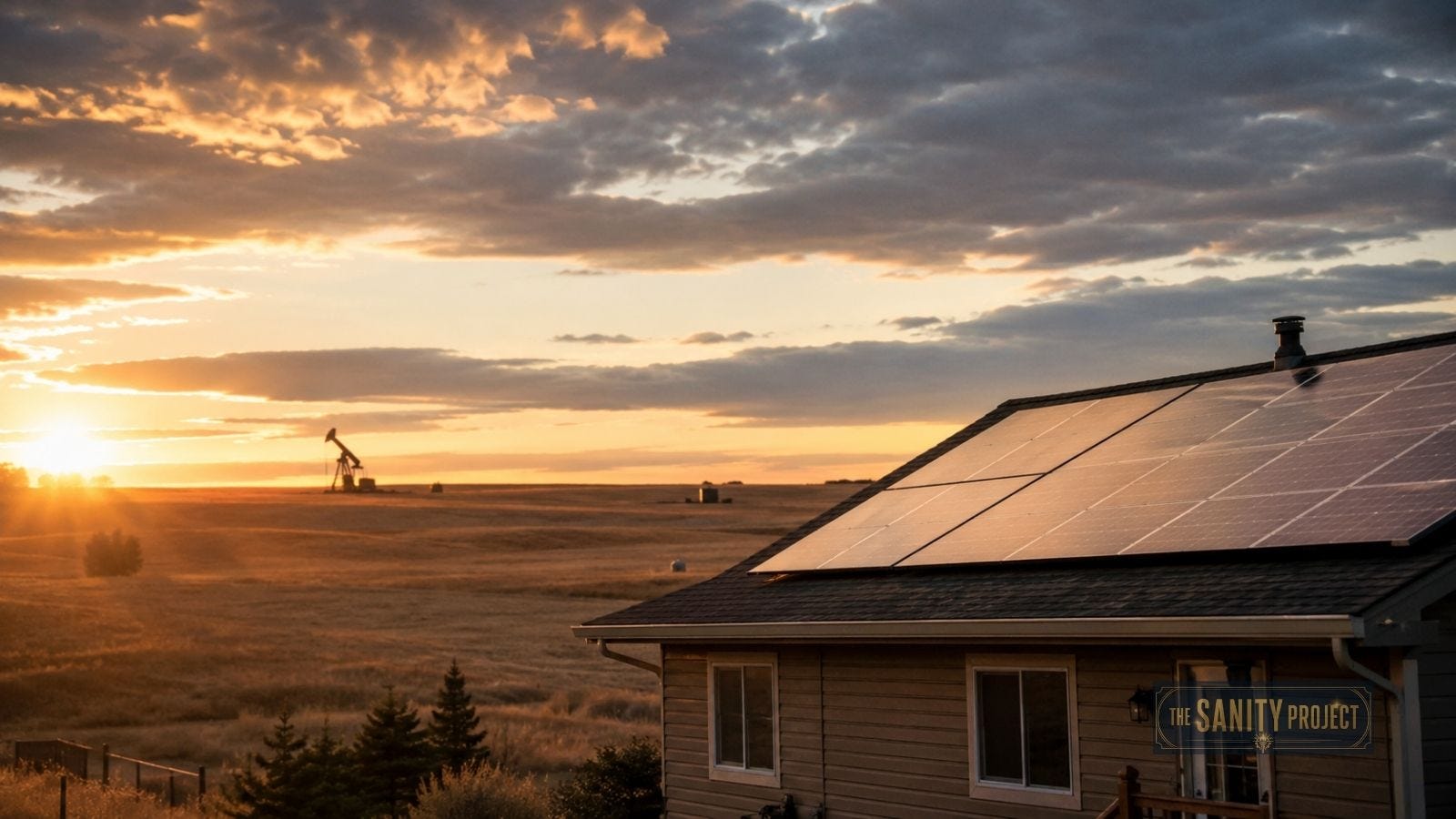
Alberta’s Solar Paradox: Best Sun, Worst Support
Alberta ties with Saskatchewan for the best solar resource in Canada, according to production mapping from Natural Resources Canada — more than 1,270 kilowatt-hours per installed kilowatt every year. Pair that with electricity rates the Canada Energy Regulator puts near 23 cents a kilowatt-hour, among the highest in the country, and the payback math for home solar lands at just over 7 years. In Quebec, where hydropower is cheap, that same payback stretches past 16 years.
The payback period is the number that actually matters to a homeowner: how many years until the panels have paid for themselves and everything after is free power. Seven years is a strong number by any national standard — it’s the kind of math that normally drives a rush of rooftop installations. By that measure, Alberta should be the easiest home solar market in Canada. For three years, its government has made sure it isn’t.
A Freeze That Never Fully Lifted
In August 2023, the Alberta government paused approvals for new wind and solar projects, according to reporting from CBC and Global News. The stated reasons are land-use concerns, grid reliability, and federal clean electricity rules, all from Ottawa. The freeze technically lifted seven months later, but it came back with new restrictions attached — and set the tone for everything since.
The result shows up in the numbers. According to industry tracking group Business Renewables, close to 11 gigawatts of wind, solar, and storage projects have been withdrawn from Alberta’s development queue in the three years since the freeze began. To put that in perspective, 11 gigawatts is enough generating capacity to power millions of homes — capital and jobs that simply packed up and moved to provinces with steadier rules. That’s not a single policy hiccup. That’s a sustained, three-year pattern.

Follow the Money
Here’s where the story gets more interesting than “grid reliability.” Before she was premier, Danielle Smith spent years as a paid lobbyist — president of the Alberta Enterprise Group, a business lobby representing energy, finance, and construction firms.
According to reporting from PressProgress and Canada’s National Observer, one of the policies she pushed for as a lobbyist — a roughly $20 billion oil and gas subsidy program known as the Mature Asset Strategy — is the same policy her government has since moved to adopt. Her adviser on that file, David Yager, runs his own oil and gas consulting firm and has picked up multiple sole-source government contracts since 2022. In July 2025, the environmental law group Ecojustice filed an ethics complaint alleging that his role in that strategy violated Alberta’s Conflict of Interest Act.
Around the same time, the UCP reversed a decade-old ban on corporate and union donations to political parties — a rule change that had kept corporate money out of Alberta politics for years. Since the reversal, oil and gas-linked companies and the lobbying firms that represent them, Enbridge among them, have been writing cheques to the party.
None of this proves the wind and solar freeze was ordered from an oil executive’s office. But a government that’s gone soft on subsidizing oil and gas, while repeatedly finding new reasons to slow-walk its cheapest, most obvious energy win, is a pattern worth naming.
The Rebate Gap
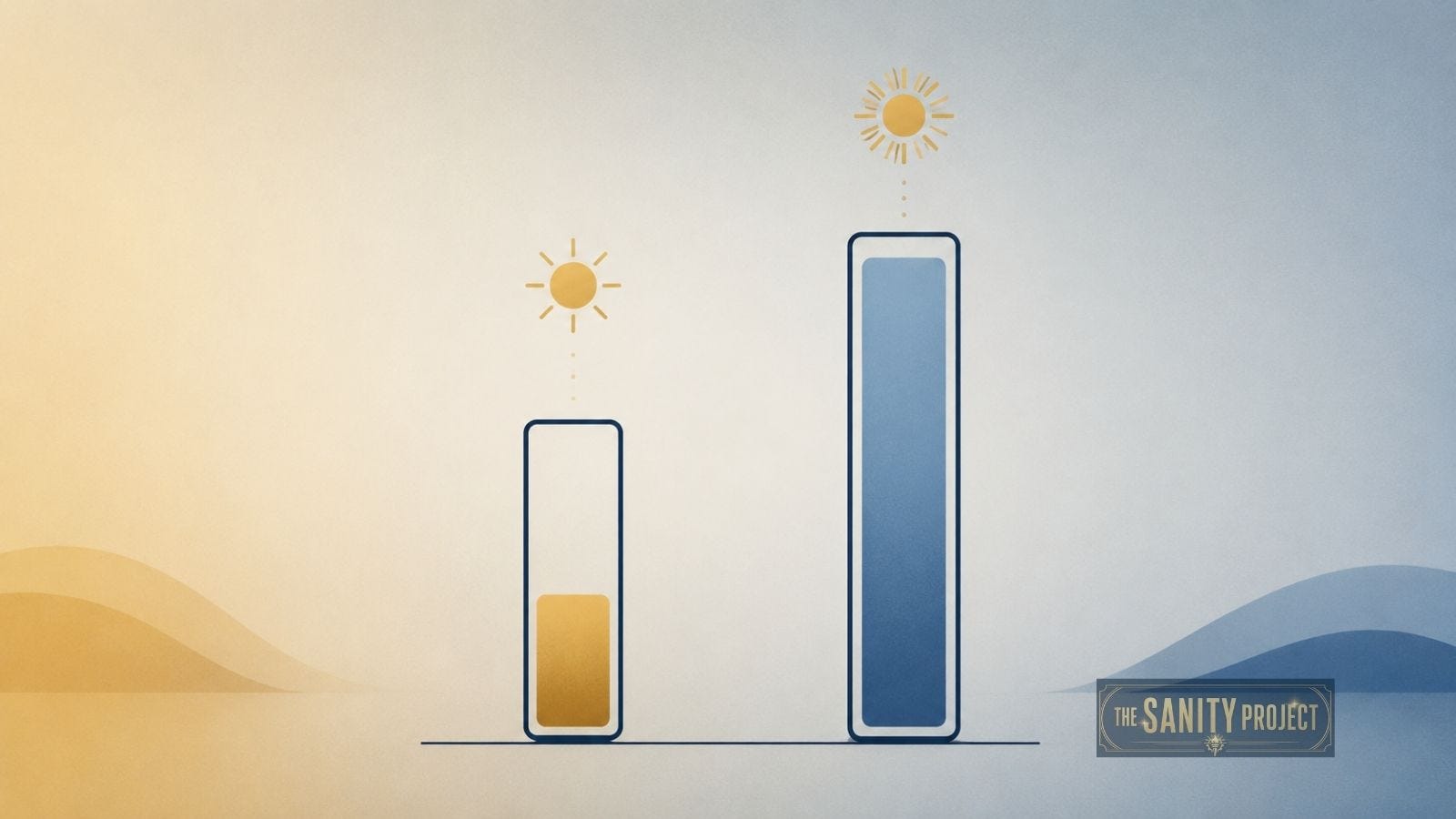
There’s one more layer to this. Manitoba, British Columbia, and — until recently — Nova Scotia all offer province-wide residential solar rebates that help homeowners cover the upfront cost of panels and installation. Alberta still doesn’t have one. Three years after the freeze began, the homeowners with the best solar math in the entire country still have the least provincial help to act on it — no rebate, and a project pipeline that keeps shrinking instead of growing.
The Bottom Line
This was never a debate about whether solar works in Alberta. The numbers settled that years ago. It’s a story about a government handed a genuine energy success story — and choosing three years of friction instead.
Want the full breakdown, sourcing, and the conflict-of-interest paper trail? Listen to this week’s episode of The Sanity Project, or catch up on past fact checks at thesanity.org.
Sources:


